The Real Role of Organic Ingredients in Skincare
The Real Role of Organic Ingredients in Skincare
TL;DR:
- Not all organic skincare delivers on its promises, and safety is not guaranteed solely by ingredient origin.
- Effective botanicals depend on concentration, formulation, and supported clinical evidence, not labels alone.
Not all “organic” skincare delivers what the label promises. The role of organic ingredients in skincare goes far beyond marketing buzzwords, yet most consumers have never seen the full picture. Many assume organic automatically means safer, gentler, or more effective. The reality is more layered. Skin benefits from plant-derived compounds depend on the specific bioactive, its concentration, and how the formula is built around it. This article breaks down what organic botanicals actually do at a skin level, what regulations say, and how to make smarter choices backed by evidence rather than packaging claims.
Key Takeaways
| Point | Details |
|---|---|
| Organic does not equal safe by default | Regulatory bodies require safety substantiation regardless of whether ingredients are natural or synthetic. |
| Bioactive concentration matters | Clinical benefits from organic botanicals like Calendula depend on proven active concentrations, not ingredient origin alone. |
| Formulation quality determines results | The best organic ingredients underperform without proper preservation, emollient systems, and pH balance. |
| Label terms can mislead | Words like “naturally derived” are often ambiguous and not regulated as strictly as consumers expect. |
| Certifications add credibility | Third-party organic certifications offer more reliable assurance than front-label marketing claims. |
What organic ingredients actually do for skin
The industry term for plant-derived actives used in topical products is “botanical ingredients,” and they form the scientific core of what consumers know as organic skincare. The role of organic ingredients in skincare operates through bioactive compounds, specific molecular structures within plants that interact with skin cells in measurable ways.

Green tea, for example, contains polyphenols called catechins. These compounds reduce oxidative stress in skin cells, protect against UV-induced inflammation, and have documented anti-aging effects. Witch hazel delivers tannins and gallic acid, both of which tighten pores and reduce surface inflammation. Jojoba oil closely mimics the skin’s natural sebum, making it one of the most effective non-comedogenic emollients across multiple skin types.
Clinical evidence supports specific claims. A 2025 randomized controlled trial showed that 1% Calendula extract in an emollient cream significantly improved skin hydration and barrier recovery compared to placebo, a meaningful finding for anyone managing contact dermatitis or a compromised skin barrier.
Key cellular-level benefits from well-studied botanicals include:
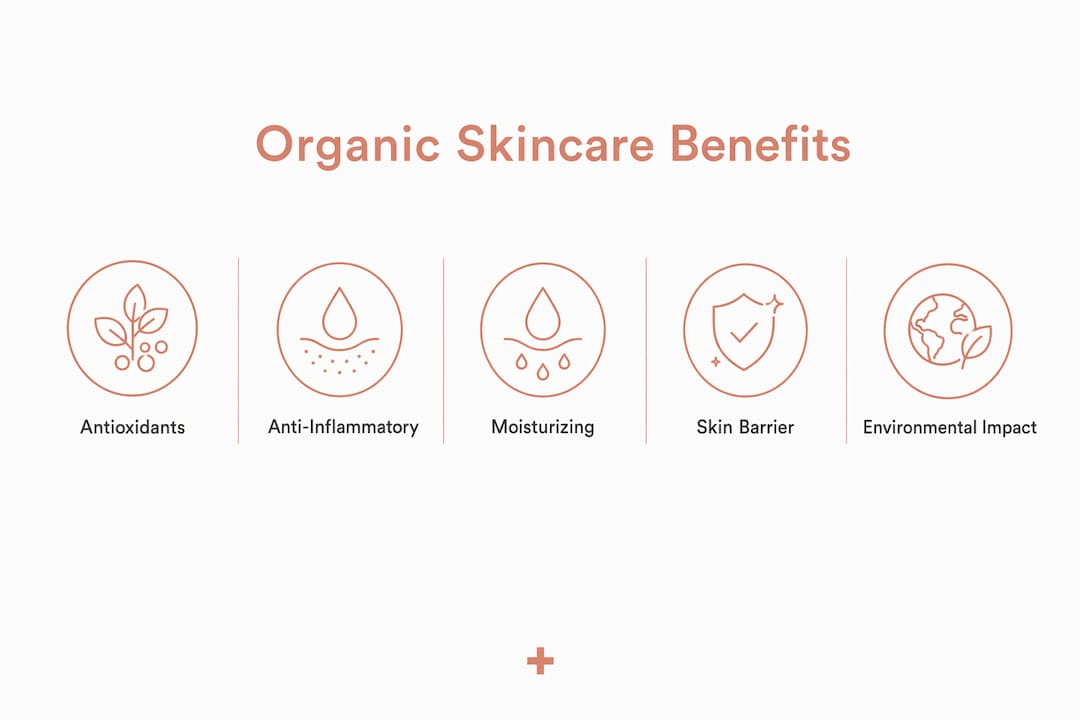
- Antioxidant protection: Green tea and Calendula neutralize free radicals that accelerate visible aging.
- Anti-inflammatory action: Witch hazel and oat extract reduce redness and calm reactive skin.
- Barrier repair: Jojoba oil and Calendula help restore the lipid layer that keeps moisture locked in.
- Soothing effects: Oat extract (Avena sativa) has well-established research behind its anti-itch and skin-calming properties.
For context on why the skin barrier matters, it functions as the skin’s primary defense against moisture loss and environmental damage. Organic botanicals that strengthen it are doing genuinely functional work, not just cosmetic surface treatment.
Pro Tip: When reviewing a product, check where a botanical ingredient sits in the INCI list. If it appears after fragrance or preservatives, the concentration is likely too low to produce the benefits printed on the front label.
Safety, regulation, and what “organic” really means legally
This is where consumers are most often misled. In the United States, the FDA regulates cosmetics under MoCRA with no separate legal category for organic products. Products labeled organic still require safety substantiation and cannot bypass standard regulations. Calling a product “organic” does not exempt it from any safety requirement.
The situation in Europe follows a similar logic. Under Regulation (EC) No 1223/2009, organic and natural are not distinct legal categories for cosmetics. Claims must be truthful and substantiated. Safety assessments cover both natural and synthetic ingredients with equal rigor.
What this means in practice: a product with 95% organic botanicals and a poorly tested preservative system is not inherently safer than a well-formulated conventional product.
“Consumers should prioritize credible evidence over label claims in assessing products.” The EU increasingly scrutinizes misleading “natural” claims, and regulators in both regions are paying closer attention to greenwashing.
There is also the issue of allergens. Some of the most irritating cosmetic ingredients are entirely natural. Essential oils from lavender, bergamot, and citrus are common sensitizers. An organic label does not remove that risk. Safety assessments for botanical ingredients require in vitro irritation tests, toxicology literature review, and documented history of safe use before a product can be considered reliably tolerated.
Consumer pitfalls to watch for:
- Products using “naturally derived” without defining what that means
- Front-label claims like “100% natural” that refer only to select ingredients
- Certifications that apply to the farming of raw materials, not the final formula
- Greenwashing through earth-toned packaging and botanical imagery with no ingredient transparency
The term “naturally derived” is often ambiguous in consumer protection law, and courts have found it difficult to enforce consistently. Your best protection is reading the full ingredient list.
Key organic ingredients and what they do
Understanding specific organic compounds helps you evaluate products on merit rather than marketing. Here is a comparison of well-researched botanicals, their functions, and the evidence behind them.
| Ingredient | Source | Primary Skin Benefit | Evidence Level |
|---|---|---|---|
| Jojoba oil | Jojoba shrub seed | Deep hydration, sebum regulation | Strong; widely studied emollient |
| Witch hazel | Hamamelis virginiana leaf | Anti-inflammatory, pore-tightening | Moderate; established use |
| Calendula extract | Calendula officinalis flower | Barrier repair, anti-inflammatory | Strong; 2025 RCT confirmed efficacy |
| Oat extract | Avena sativa | Soothing, anti-itch, calming | Strong; FDA-recognized skin protectant |
| Sophora flavescens root | Sophora flavescens root | Antioxidant, non-irritant | Good; in vitro safety confirmed |
| Green tea extract | Camellia sinensis leaf | Anti-aging, UV protection support | Strong; cellular studies support use |
Each ingredient on this list does something specific and measurable. Jojoba oil does not just “moisturize” in a vague sense. It regulates hydration by mimicking the skin’s own lipid chemistry, making it suitable for oily skin types that over-produce sebum in response to dehydration.
Sophora flavescens is less known but worth attention. A multi-method safety assessment confirmed it is non-irritant at cosmetic concentrations and delivers meaningful antioxidant activity, making it a practical option for formulas targeting oxidative stress without the sensitization risk of some essential oils.
Pro Tip: For sensitive skin, prioritize oat extract and Calendula over essential oil-based botanicals. Both deliver clinical soothing benefits with a much lower allergen profile than fragrant plant extracts.
How to evaluate and choose organic skincare products
Good organic skincare is not found by scanning packaging claims. It requires a short checklist applied before purchase.
- Check ingredient position. Active botanicals should appear in the first half of the INCI list. If green tea or Calendula appears near the bottom, the concentration is cosmetically negligible.
- Look for third-party certification. COSMOS Organic, USDA Organic (for relevant categories), and Ecocert provide verified standards that go beyond front-label claims. These certifications assess ingredient sourcing, processing, and sometimes the full formulation.
- Assess preservation. A well-preserved formula protects both the product and your skin. Organic does not mean preservation-free. Look for phenoxyethanol, sodium benzoate, or natural alternatives like rosemary extract at the correct concentrations.
- Research the brand’s transparency. Brands that publish full INCI lists, explain ingredient choices, and disclose sourcing are more trustworthy than those relying on lifestyle imagery to sell organic credentials.
- Match ingredients to your skin type. A formula with 10 botanical actives sounds impressive, but if three of them are sensitizing essential oils and your skin runs reactive, that product is not appropriate for your needs.
A naturally formulated product for insect bite relief showed good skin tolerance comparable to synthetic alternatives, but only because the formulation was built with careful ingredient selection and concentration control. That quality of design is what separates effective organic skincare from the crowded shelf of well-packaged products with minimal substance.
Pro Tip: Before buying any new organic product, patch-test on your inner forearm for 48 hours. Even well-tolerated botanicals can trigger a response depending on your individual skin chemistry.
Environmental and ethical considerations
The importance of organic cosmetics extends beyond skin health. How ingredients are grown and sourced matters to the planet as much as the formula matters to your skin.
Organic farming eliminates synthetic pesticides and fertilizers, reducing the chemical load on soil, waterways, and local ecosystems. For skin-care consumers who care about eco-conscious choices, this is a meaningful part of the value. Botanically-derived ingredients sourced from certified organic farms also reduce the risk of pesticide residue reaching your skin through the final product.
Key ethical considerations when choosing organic skincare:
- Cruelty-free status: Organic certification does not guarantee no animal testing. Look for cruelty-free certification separately.
- Fair trade sourcing: Some high-demand botanicals like shea butter and argan oil come from regions where ethical sourcing practices vary. Brands that disclose supplier relationships deserve recognition.
- Biodegradable formulas: Organic ingredients are generally more biodegradable than synthetic polymers, reducing the environmental load of what washes down the drain.
- Packaging: Even the most sustainable formula loses credibility in single-use plastic. Look for brands that treat packaging as seriously as formulation.
Organic facial oils are one example where environmental and skin benefits genuinely align. Cold-pressed seed oils retain more bioactive content than refined alternatives and require less chemical processing.
My perspective on organic skincare claims
I have read enough ingredient labels and clinical summaries to be direct about this. The organic skincare market has a credibility problem that well-intentioned brands are slowly working to fix.
What I’ve seen repeatedly is that consumers trust the word “organic” the same way they would trust a doctor’s recommendation. That trust is not always earned. In my experience, the gap between what a product claims on its front label and what its formula actually delivers is wider in the organic segment than almost anywhere else in skincare.
What actually works, in my view, is this: find brands that publish full ingredient lists, cite clinical evidence for their key actives, and earn third-party certification rather than self-assigning the word “organic.” A product with evidence-backed botanicals at proven concentrations will always outperform one that leads with sustainability claims and buries its actives at the bottom of the INCI list.
I have also learned to stop treating organic and synthetic as opposites. The best formulas I have encountered use organic botanicals for their specific bioactive properties and synthetic components for preservation and stability. That balance is not a compromise. It is good formulation science. Synthetic ingredients often provide superior stability and microbiological protection compared to some natural alternatives, and ignoring that creates inferior products.
My practical advice: start with one or two well-evidenced botanicals suited to your actual skin concerns, layer them into a simple routine, and measure results over 8 to 12 weeks before adding more.
— Kelly
Explore Yukaface for evidence-based organic skincare
Yukaface builds its entire product range on the principles covered in this article. Every formula starts with verified organic botanicals at active concentrations, supported by transparent ingredient lists and third-party sourcing standards.

Whether you are building a morning skincare routine with targeted organic actives or looking to understand the full case for vegan skincare, Yukaface provides the education and the products in one place. The blog covers peptides, barrier repair, hydration science, and seasonal skincare. Products are vegan, cruelty-free, and created for all skin types. No greenwashing. No hidden synthetic fillers. Just formulations that respect both skin biology and the planet.
FAQ
What is the role of organic ingredients in skincare?
Organic ingredients contribute bioactive compounds such as antioxidants, anti-inflammatory agents, and emollients that support skin hydration, barrier repair, and visible aging. Their effectiveness depends on concentration and formulation quality.
Are organic skincare ingredients regulated differently than synthetic ones?
No. In both the U.S. and EU, organic cosmetics face the same safety requirements as conventional products. There is no legal exemption or separate approval pathway for organic or natural claims.
Can organic ingredients irritate skin?
Yes. Natural botanicals including essential oils from lavender, citrus, and bergamot are among the most common cosmetic allergens. Organic origin does not remove sensitization risk. Patch testing is recommended before full use.
How do I know if an organic skincare product actually works?
Check where active botanicals appear in the INCI list, look for third-party organic certification, and search for clinical evidence linked to the specific ingredients in the formula rather than relying on front-label claims.
Is organic skincare better for the environment?
Organic-certified ingredient sourcing reduces synthetic pesticide use and is generally more biodegradable, but the full environmental picture includes packaging, supply chain transparency, and cruelty-free practices alongside ingredient origin.