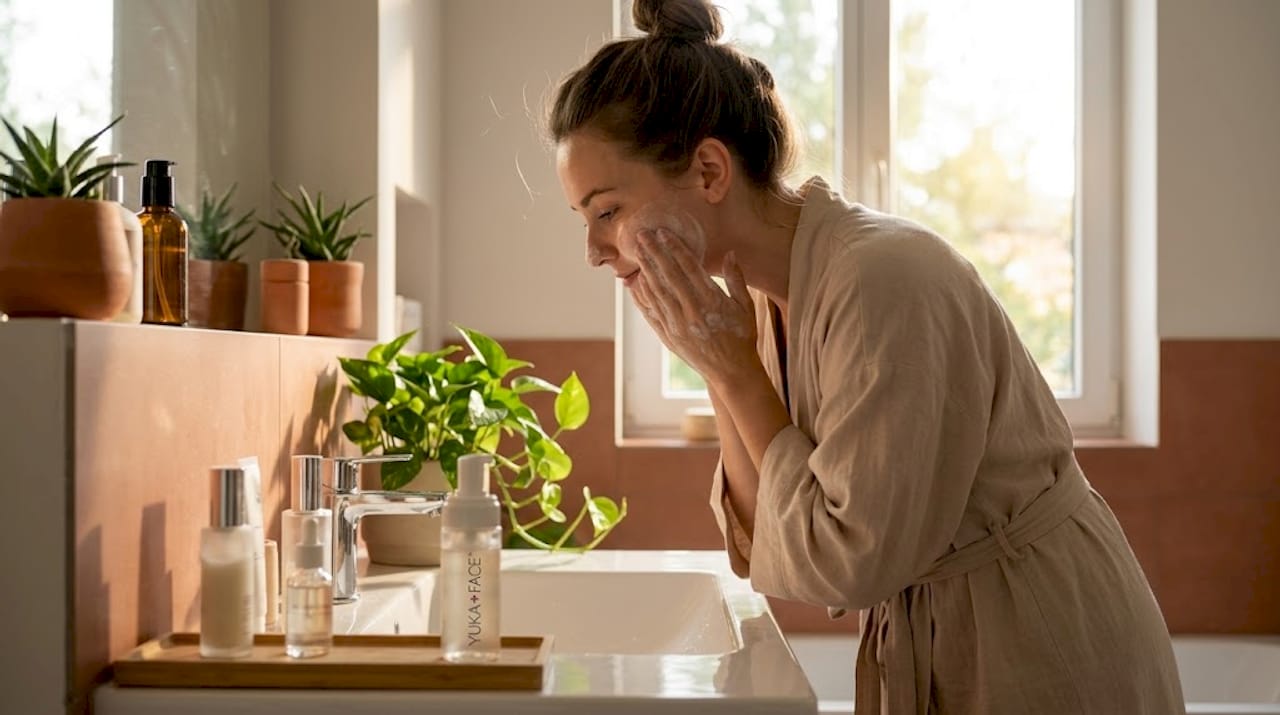
Plant-based skincare: Steps and evidence-based benefits
TL;DR:
Building a plant-based skincare routine requires evaluating ingredient concentration, formulation quality, and individual tolerability rather than relying solely on natural labels.
Consistent layering of clinically supported botanical actives—such as oat extract, niacinamide, and bakuchiol—delivers measurable skin benefits while aligning with eco-friendly values.
Building a skincare routine around plant-based ingredients sounds straightforward until you’re standing in front of a shelf of “100% natural” products with conflicting claims and no clear way to separate fact from marketing. Effectiveness, ingredient safety, and environmental values rarely align without some research. This guide cuts through the noise, using clinical evidence and practical evaluation tools to help you build a routine that delivers measurable results, aligns with cruelty-free principles, and fits your actual skin.
Table of Contents
How to evaluate plant-based skincare products
Choosing a plant-based product starts with understanding what “plant-based” actually means. The term refers to formulas where active and supporting ingredients are derived from botanical sources: roots, leaves, seeds, and oils rather than synthetic petrochemicals. But the label tells you nothing about concentration, stability, or how the formula performs on your skin type.
Ingredient-level clinical evidence is what separates a functional product from a well-branded one. Formulation quality and concentration matter far more than whether something carries a “natural” label. A formula with a trace amount of botanical extract listed near the bottom of the ingredient deck is not the same as one where that extract is a primary active at a clinically tested concentration. Learn to read an ingredient list, not just the front of the packaging.
Not all plant-based actives are safe for every skin type. Research testing 50 plant-derived candidates found that even botanicals with strong safety and efficacy signals in literature can trigger irritation or allergic reactions in some individuals. This is important to understand before assuming any natural product is automatically gentle.
Here is a practical evaluation framework:
Read the ingredient list. The active ingredient should appear in the first third of the list, not near the preservatives.
Look for specific plant actives. Terms like “oat extract,” “centella asiatica,” or “bakuchiol” are more meaningful than generic “botanical blend.”
Check for third-party certifications. Look for cruelty-free labels (Leaping Bunny, PETA), certified organic (USDA or Ecocert), and vegan certification.
Search for clinical support. Is there a published study on that specific ingredient, at the concentration used?
Patch test every new product. Apply to the inner forearm or behind the ear for 24 to 48 hours before full application.
Introduce one product at a time. This helps identify what’s working and what’s causing a reaction.
“Natural” status is not a synonym for safe or effective. Formulation quality, ingredient concentration, and individual tolerability are the real determinants of results.
Pro Tip: When reviewing a new product, search the key botanical ingredient plus “clinical study” or “randomized controlled trial” to quickly find whether it has published evidence behind it.
A useful starting point for building your criteria is this vegan skincare guide, which outlines what to look for across product categories. If you’re exploring options for a male-specific routine, this plant-based skincare for men resource covers relevant considerations.
Core steps in a plant-based skincare routine
A consistent routine is more important than any single hero product. Plant-based or not, skin responds to regularity and correct layering. Here are the foundational steps, with evidence-backed botanical actives at each stage.
Cleanser. Start with a gentle, low-pH cleanser formulated with oat extract or chamomile. Oat-derived compounds (avenanthramides) reduce redness and support the skin barrier without stripping moisture.
Mist or toner. Rose water and aloe vera are well-supported options. They restore moisture balance post-cleanse and prime skin for the next step.
Serum. This is where targeted actives go: bakuchiol for collagen support, niacinamide for pore refinement, or plant adaptogens for barrier resilience. A 2025 double-blind split-face study reported significantly less dryness on the plant-adaptogen serum side versus the control side, confirming measurable functional outcomes beyond marketing language.
Moisturizer. Shea butter, squalane derived from sugarcane, and allantoin from comfrey root are proven humectants and emollients. They seal in the serum layer and support overnight repair.
Sunscreen. Non-negotiable, even in a plant-forward routine. Mineral sunscreens using zinc oxide are the most compatible with cruelty-free and eco-conscious values.
Routine stepPlant-based ingredientScience-backed benefitCleanserOat extract (avenanthramides)Reduces erythema, supports barrier integrityMist/TonerRose water, aloe veraHydration, pH balance, soothingSerumBakuchiol, plant adaptogensCollagen support, dryness reductionMoisturizerSqualane (sugarcane), allantoinEmollient, wound repair supportSunscreenZinc oxide (mineral)Broad-spectrum UV protection
Layering order matters. Apply products from thinnest to thickest consistency. Water-based serums go before oil-based moisturizers. Sunscreen always goes last in a morning routine, after moisturizer.
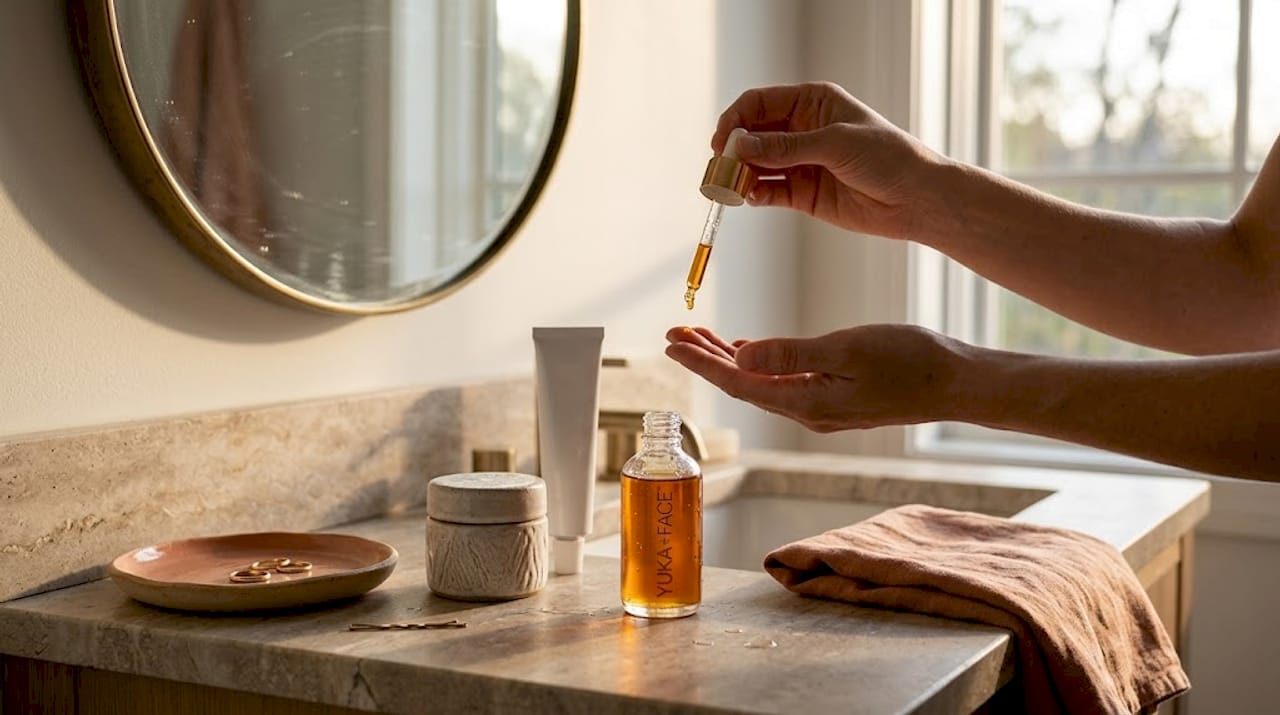
Safety profiles still vary. Even at this routine level, plant-derived candidates tested in human studies showed that individual responses differ, and what works for one person may not work for another. Introduce each step one at a time, spaced a week or two apart.
Pro Tip: If you are new to plant-based actives, start with cleanser and moisturizer only. Add serum after two weeks when your skin has adjusted and you have a baseline to compare against.
Detailed step-by-step breakdowns are available in this morning routine steps guide. For information on plant-derived actives like peptides, this resource on plant peptides in skincare goes deeper into the science.
Targeted routines for specific skin concerns
A foundational routine is the starting point. From there, specific skin concerns call for specific actives. Plant-based formulations offer targeted options across the most common skin categories.
Oily and acne-prone skin. An MDPI randomized double-blind split-face clinical trial with 22 subjects found that a standardized isorhamnetin extract cream reduced sebum content, supporting its use in oil-control formulations. Niacinamide, a B vitamin found in plant sources, reduces pore visibility and helps regulate oil production. Both work well alongside a gentle, non-stripping cleanser.
Dry and flaky skin. Centella asiatica and oatmeal are two of the most researched botanical options for barrier repair and moisture retention. Hyaluronic acid (plant-fermented versions are available) paired with a rich shea or cocoa butter moisturizer is a reliable combination.
Sensitive and redness-prone skin. Licorice root extract (glabridin) reduces hyperpigmentation and redness. Chamomile (bisabolol) calms inflammation. Both have a strong track record in human-use formulations, though patch testing remains essential.
Skin concernPlant-based activeTargeted effectOily/acne-proneIsorhamnetin, niacinamideSebum reduction, pore refinementDry/flakyCentella asiatica, oat extractBarrier repair, moisture retentionSensitive/rednessLicorice root, chamomile (bisabolol)Anti-inflammatory, brighteningAging/fine linesBakuchiolCollagen support, retinol alternative
Bakuchiol is increasingly recognized as a well-tolerated plant-based alternative to retinol. It offers comparable collagen-supporting effects with fewer reports of irritation, making it a strong option for sensitive skin types. See bakuchiol vs retinol for a detailed comparison.
A real-world routine for acne-prone skin using plant-based actives looks like this:
Morning: Gentle low-pH cleanser, niacinamide serum, lightweight moisturizer, broad-spectrum SPF
Evening: Oil-cleanse (jojoba or squalane), isorhamnetin or bakuchiol serum, non-comedogenic moisturizer
Weekly: Exfoliate with a mild fruit acid (papain from papaya or lactic acid from fermented plant sources)
Sunscreen remains non-negotiable regardless of skin type. Sun exposure worsens acne scarring, hyperpigmentation, and barrier damage. More practical guidance on managing oiliness is available in this tips for oily skin article.
Blending skin efficacy and eco-values
A plant-based routine aligned with your environmental values requires more than reading labels. “Clean beauty,” “eco-friendly,” and “green” are unregulated terms in most markets, which means a product can carry those labels without any verified environmental benefit.
Genuine eco-alignment looks at several factors beyond the formula itself: packaging material, refillable options, supply chain sourcing, and whether certifications like Leaping Bunny or B Corp backing are present. Dermatologic benefit and environmental impact should both factor into product decisions, not one at the expense of the other.
Here is a practical checklist for a more planet-friendly routine:
Choose glass or refillable packaging over single-use plastic wherever possible
Verify cruelty-free certification through a recognized third-party body, not brand self-labeling
Look for sustainably sourced key ingredients, especially oils like argan, rosehip, or shea, which have significant agricultural footprints
Minimize routine length to reduce overall product consumption and packaging waste
Support brands with transparent supply chains that disclose ingredient origins
It is worth noting that a shorter routine with highly effective, well-formulated products often produces better skin outcomes and less waste than a complex multi-step regimen. Simplicity and efficacy are not opposites.
Pro Tip: Check a brand’s sustainability page for specifics on packaging take-back programs, carbon offset commitments, or third-party environmental audits. Vague claims like “eco-conscious” without supporting data deserve skepticism.
For seasonal routine adjustments that factor in environmental variables, this eco-friendly skincare routines resource is practical and focused. Deeper guidance on skin hydration strategy is also available in this hydration and restoration article.
Why ‘natural’ is not enough: The real keys to plant-based skincare success
Here is an uncomfortable truth: many people build plant-based routines around the assumption that natural equals safer, gentler, and universally effective. The research does not support that assumption. Poison ivy is natural. So is urushiol, the compound that causes contact dermatitis. Natural status is not a safety or efficacy guarantee.
What actually drives results in a plant-based routine is a combination of factors that marketing rarely talks about. Formulation quality, meaning the vehicle the ingredient is delivered in, the concentration used, and the stability of the active, determines whether a product does anything at all. A badly formulated botanical serum will produce no measurable outcome regardless of how impressive the ingredient sounds.
The most reliable methodology for reducing adverse reactions and improving outcomes is systematic: introduce one new product at a time, patch test before full application, and give each addition at least four to six weeks of consistent use before evaluating whether it works. That process is slow. It feels less exciting than layering six new products at once. But it is the only way to actually know what your skin responds to.
Individual tolerability is the other variable that rarely gets enough attention. Two people with “sensitive skin” may react completely differently to the same plant-based active. Skin microbiome composition, barrier function, existing conditions, and even climate all influence how an ingredient behaves in practice. Building a routine that works for you means respecting your skin as an individual system, not following a generic protocol.
The eco-appeal of plant-based skincare is real and worth prioritizing. But it should complement skin results, not replace them. A sustainable product that does not work for your skin is not a good product. The goal is formulas that deliver both: clinical evidence for efficacy, and genuine environmental responsibility in sourcing and packaging. That combination exists, but it requires reading beyond the label. Explore the approach to building a skincare routine that takes both factors into account.
Explore plant-based skincare solutions with Yuka+Face
Yuka+Face offers evidence-informed resources and product routines built around vegan, cruelty-free, and botanically active formulations.
The detailed vegan skincare guide covers product selection, ingredient evaluation, and routine building for all skin types. For step-by-step morning routine structure, the morning skincare routine steps guide walks through each phase with ingredient-specific recommendations. Both resources are grounded in the same principles outlined here: formulation quality, clinical evidence, and genuine environmental values. Explore. Learn. Build a routine that works.
Frequently asked questions
Are all plant-based skincare products safe for sensitive skin?
No, even plant-based ingredients can cause irritation or allergic reactions. Always patch test new products before full application, as individual tolerability varies significantly even with botanically derived formulas.
Which plant-based ingredients help with oily or acne-prone skin?
Isorhamnetin, niacinamide, and certain botanical extracts show measurable effects on sebum and inflammation. A randomized double-blind clinical trial confirmed sebum reduction with standardized isorhamnetin cream, making it a well-supported option.
Should I still use sunscreen if my skincare routine is plant-based?
Yes, daily broad-spectrum sunscreen is essential in every routine. Even plant-based routines targeting acne or dark spots require SPF to prevent UV-driven worsening and support long-term skin health.
Do plant-based routines really improve skin health?
Certain plant-based actives have clinically measurable results. A 2025 double-blind split-face study found significantly reduced dryness and improved skin recovery with a plant-adaptogen serum compared to a control, confirming real functional outcomes.