
Why natural facial oils boost eco-conscious skincare
TL;DR:
Natural facial oils closely resemble skin’s own sebum, supporting hydration, barrier repair, and reducing inflammation. They are biocompatible, eco-friendly, and ethical alternatives to synthetic moisturizers, offering measurable skin benefits and modest sun protection. Proper use, sourcing, and understanding their role can reshape sustainable skincare routines, emphasizing health and environmental values.
Most people assume facial oils are the enemy of clear, balanced skin. The fear is understandable: the word “oil” conjures clogged pores and shiny foreheads. But the science tells a different story. Understanding why natural facial oils work requires looking past that fear. Plant-derived oils are structurally close to your skin’s own sebum, making them far more compatible than many synthetic alternatives. They hydrate, protect the barrier, reduce inflammation, and carry no animal-derived ingredients. For anyone building a skincare routine around nature and ethics, they are not optional extras.
Table of Contents
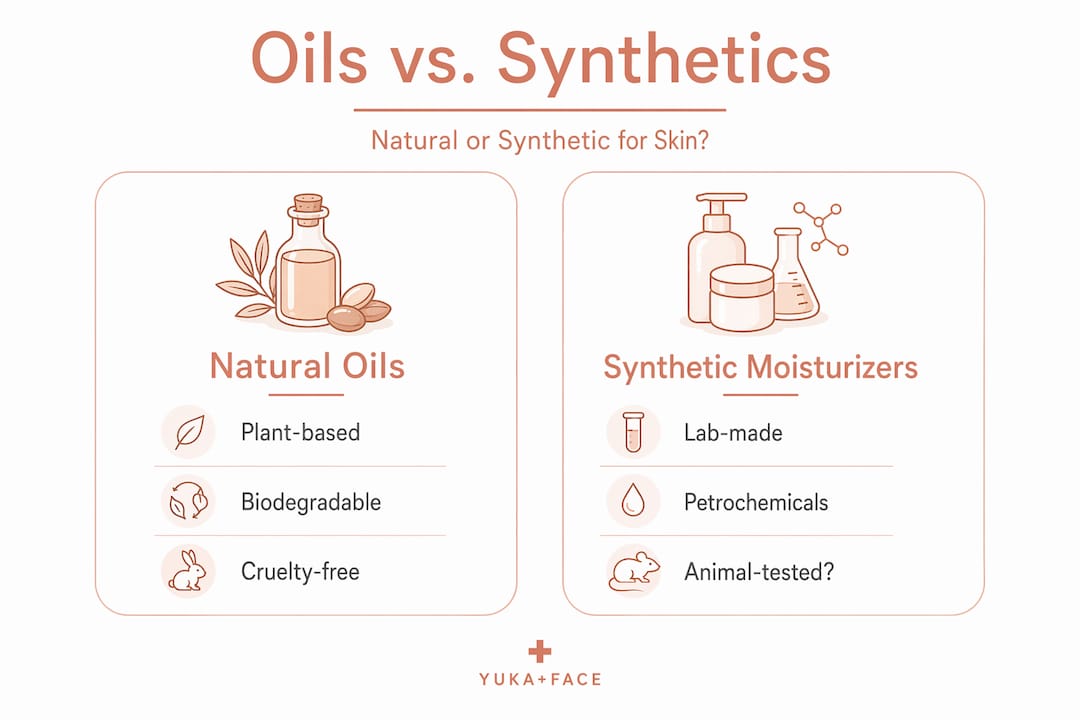
How natural facial oils compare to synthetic moisturizers and occlusives
Practical tips for incorporating natural facial oils safely and effectively
Why embracing natural facial oils redefines sustainable skincare
The skin benefits of natural facial oils
Natural facial oils earn their place in a routine through measurable results. They are not just carriers for scent or texture. They actively change what happens at the skin surface and below it.
Hydration, backed by data. Both topical and dietary use of specific plant oils show real hydration gains. Daily ALA-DAG oil intake increases skin hydration by 20 to 30% and cuts itchiness by up to 40%. Topically, extra virgin olive oil improves skin hydration by 15 to 20% while supporting epidermal renewal, the process by which skin cells turn over to reveal fresher layers underneath.
Anti-inflammatory action. Many plant oils are rich in omega-3 and omega-6 fatty acids, both of which reduce the skin’s inflammatory response. Redness, irritation, and reactive flushing are all linked to barrier disruption. Oils that support barrier repair directly reduce these symptoms over time.
Key skin benefits at a glance:
Increases moisture retention without film-forming synthetics
Reduces transepidermal water loss (the rate at which skin loses moisture to the air)
Supports collagen synthesis via antioxidant vitamins E and C
Stimulates epidermal renewal for improved texture
Reduces redness and sensitivity through fatty acid content
If you have been avoiding oils because of concerns about congestion, exploring hydrating products for oily skin shows how the right oil, applied correctly, can actually regulate sebum rather than add to it.
Pro Tip: Apply your facial oil immediately after a water-based serum, while skin is still slightly damp. The oil seals in the water beneath it, giving you layered hydration rather than surface-level moisture.
How natural facial oils compare to synthetic moisturizers and occlusives
Not all moisturizers work the same way. Understanding the difference between natural facial oils and synthetic options clarifies exactly what you are getting from each category.
The sebum compatibility factor. Your skin naturally produces sebum, a mix of fatty acids, wax esters, and squalene. Plant oils, especially jojoba, which is technically a liquid wax, mirror this composition closely. Synthetic moisturizers rely on ingredients like dimethicone (a silicone) or petrolatum to create a barrier. They work, but they do not integrate with skin biology the way plant oils do.
Ceramide-rich formulations are worth noting. Bioactive moisturizers with ceramides improve hydration by 25% and reduce transepidermal water loss compared to traditional moisturizers. They are effective. But for users who want plant-based, vegan formulations, ceramide products may not always meet those criteria. Natural oils offer comparable barrier support through a different mechanism: their fatty acids reinforce the lipid layer between skin cells without synthetic additives.
FeatureNatural facial oilsSynthetic moisturizersSkin biocompatibilityHighModerateComedogenic riskVaries by oilVaries by formulaAntioxidant contentPresent (vitamins E, A)Often absent or added syntheticallyVegan and cruelty-free optionsWidely availableAvailable but requires label checkingEnvironmental impactBiodegradableOften contains non-biodegradable compoundsTextureLightweight to mediumCream to lotionOcclusion levelLow to moderateModerate to high
Jojoba and rosehip oils stand out for being lightweight and low in irritation potential, making them accessible for most skin types including sensitive and acne-prone. For a deeper look at how hydration and restoration in skincare interact, the principles behind natural oils and ceramides are more complementary than competitive.
Environmental and ethical advantages of natural facial oils
Choosing natural facial oils is not only a skin decision. It is a sourcing decision, a values decision, and increasingly a legal one.

Animal testing bans are gaining ground. The EU has prohibited animal testing for cosmetics for years. In the US, proposed federal legislation would ban animal testing for cosmetics with financial penalties for violations. This regulatory shift is catching up to what many eco-conscious consumers have demanded for years.
What “cruelty-free” actually means. Labels vary. Certifications from organizations like Leaping Bunny and PETA provide third-party verification that no animal testing occurred at any stage of production. A product can legally call itself cruelty-free without holding either certification, so checking the badge matters. Plant-based oils by nature exclude animal fats, which simplifies the ethical sourcing chain significantly.
Ethical and environmental benefits of plant-based oils:
Biodegradable ingredients with low aquatic toxicity
No animal-derived raw materials
Lower carbon footprint when sourced from sustainable farms
Vegan formulations exclude lanolin, beeswax, and other animal byproducts
Third-party certifications provide verifiable accountability
If you want guidance on choosing natural products for health and verifying ingredient sourcing, cross-checking certifications with ingredient lists is the most reliable method.
Pro Tip: Look for oils in recyclable glass bottles rather than plastic. Glass preserves oil quality better and produces less landfill waste over the product’s lifetime.
Natural facial oils as photoprotective agents
Most people do not think of facial oils as part of sun care. That assumption is worth revisiting.
Certain plant oils contain naturally occurring antioxidants and UV-absorbing compounds. Water-in-oil emulsions with 30% plant oils (olive, avocado, and flaxseed) showed SPF values greater than 1 and occlusion factors as high as 60%. These are modest numbers. No plant oil replaces a broad-spectrum SPF 30 or higher sunscreen. But used alongside one, they contribute meaningfully.
Plant oilUV-absorbing compoundsOcclusion factorBest useOlive oilSqualene, polyphenolsHighBarrier + UV supportAvocado oilCarotenoids, vitamins D and EHighDry and mature skinFlaxseed oilOmega-3 fatty acidsModerateSensitive and reactive skinJojoba oilVitamin E, wax estersLow to moderateOily and acne-prone skin
Key points on natural oil photoprotection:
Higher oil concentration in a formula increases both occlusion and UV resistance
Antioxidants in oils neutralize free radicals generated by UV exposure
Oils reduce transepidermal water loss during sun exposure, protecting the barrier
SPF values are supplementary, not standalone sun protection
For specific guidance on building a sun-safe routine, summer skincare with natural oils covers practical layering strategies for warm months.
Practical tips for incorporating natural facial oils safely and effectively
Knowing the benefits of natural oils for skin is one thing. Using them correctly is another. These steps reduce risk and improve results.
Choose cold-pressed oils. Cold-pressing preserves vitamins E and C that heat processing destroys. Look for dark amber glass bottles, which block the light degradation that turns oils rancid.
Patch test before full application. Apply a small amount to your inner arm and wait 48 hours. Even natural oils can trigger reactions in some individuals, particularly those with nut allergies or very reactive skin.
Use oils in moderation. Two to three drops is enough for the full face. More does not mean more benefit. Excess oil, especially if it has begun to oxidize, can contribute to congestion.
Store correctly. Keep oils away from heat and direct light. Properly stored, most plant oils remain effective for 6 to 12 months after opening.
Pair with complementary products. Use a bioactive moisturizer underneath for layered hydration, and apply the oil last in your routine to seal everything in.
Apply to damp skin. This technique locks water molecules against the skin rather than sitting on top of dry surface cells.
For a full breakdown of product sequencing, vegan skincare routine tips covers morning and evening application order clearly.
Pro Tip: If an oil smells off, slightly sour, or noticeably different from when you first opened it, it has likely oxidized. Oxidized oils can irritate skin and should be discarded, even if the expiry date has not passed.
Why embracing natural facial oils redefines sustainable skincare
The conversation around natural facial oils still gets derailed by outdated assumptions. Greasy skin. Breakouts. A product category that sounds more wellness trend than science. This framing does real damage to informed skincare choices.
The evidence points clearly in the other direction. Board-certified dermatologist Kate Viola identifies plant oils as emollients that lock in hydration and soften fine lines without causing greasiness when applied correctly. This is not a niche opinion. It reflects what botanical research has shown consistently: plant oils work with skin biology rather than over it.
What is less discussed is the ethical dimension. Synthetic skincare is not inherently bad, but it carries a heavier load: more complex ingredient chains, more animal-derived byproducts, more packaging waste, and more regulatory gray areas around cruelty-free labeling. Natural oils simplify that chain. When you can trace an ingredient from a specific plant, cold-pressed and certified, the transparency alone is worth something.
At Yuka+Face, we see this not as a trend but as a correction. Skincare that respects your skin’s own biology and the planet’s resources is not a compromise. It is the standard that formulation should be held to. Plant oils for natural oils for anti-aging skin care are not about turning back time. They are about working with what your skin actually needs, at every age, with ingredients it recognizes.
Combining scientific evidence with sustainable sourcing transforms how we think about what belongs in a routine. That shift is worth taking seriously.
Explore Yuka+Face’s vegan skincare guides and routines

Yuka+Face brings together botanical research and expert formulation to support natural, cruelty-free skincare across all skin types and ages. If this article has helped clarify why natural facial oils belong in your routine, the next step is building that routine with intention. The guide to vegan skincare covers ingredient selection, layering, and product ethics in one place. For daily application, the morning skincare routine guide shows exactly where oils fit into a complete, ordered routine. And for deeper reading on maintaining skin’s moisture balance, hydration and restoration connects the science to practical product choices. All resources are free, vegan-aligned, and built for real skin.
Frequently asked questions
Do natural facial oils cause acne or clogged pores?
Natural facial oils mimic the skin’s own sebum and can reduce irritation and breakouts when chosen and applied correctly. Cold-pressed oils retain vitamins and tend to be low-comedogenic, but overuse or oxidized oil does increase congestion risk.
Are natural facial oils safe for sensitive skin?
Many natural oils carry anti-inflammatory properties and support barrier repair, making them suitable for sensitive skin types. ALA-DAG oil reduces itchiness and redness through anti-inflammatory fatty acid activity, though individual patch testing remains important.
How do natural facial oils support eco-friendly skincare?
Plant-based oils are biodegradable, often vegan, and produced without animal testing under compliant manufacturing standards. EU regulations prohibit animal testing for cosmetics, and US federal legislation is moving toward similar restrictions.
Can natural facial oils provide sun protection?
Certain plant oils offer modest UV protection through antioxidant and occlusive action, best used alongside an approved broad-spectrum sunscreen. Emulsions with 30% plant oils show measurable SPF activity and occlusion factors, making them useful complements to standard sun care.