
How to Nourish Skin Naturally for Lasting Radiance
How to Nourish Skin Naturally for Lasting Radiance
TL;DR:
- Supporting skin health naturally involves internal hydration through diet and external application of plant-based humectants, emollients, and occlusives. Regular, personalized exfoliation combined with nourishing oils and consistent routines enhances long-term skin radiance and barrier function. Building awareness of skin changes and simplifying routines ensures sustainable skin nourishment rooted in nature.
Natural skin nourishment is the practice of supporting skin health through hydration, exfoliation, nutrition, and plant-based topical treatments. The goal is to strengthen your skin barrier, improve moisture retention, and promote cell renewal without synthetic additives or harsh chemicals. Knowing how to nourish skin naturally means working with ingredients like hyaluronic acid, ceramides, jojoba oil, and squalane, while also addressing what you eat and how you care for your skin daily. This guide covers every layer of that process, from internal hydration to building a repeatable routine that delivers real results.
How to hydrate your skin naturally from inside and out
Skin hydration is the foundation of every effective natural skincare approach. Without adequate moisture, even the best plant-based ingredients cannot perform. Hydration works on two levels: what you consume and what you apply.
Internal hydration starts with diet. Water intake directly affects skin plumpness and elasticity, but water-rich foods like cucumber, watermelon, and leafy greens amplify that effect. Omega-3 and omega-6 fatty acids, found in salmon, tuna, pumpkin seeds, and walnuts, strengthen the skin barrier and help it hold moisture. Zinc and antioxidants from whole grains and nuts reduce oxidative stress that accelerates skin aging.
Topical hydration requires three ingredient types working together. Humectants, emollients, and occlusives each serve a distinct function. Humectants draw water into the skin. Emollients smooth and soften. Occlusives seal everything in. Skipping any one of these creates gaps in your moisture strategy.
Here is how each ingredient class maps to natural options:
- Humectants: Hyaluronic acid binds up to 1,000 times its weight in water, making it the most efficient moisture-drawing ingredient available. Glycerin and aloe vera gel are strong plant-based alternatives.
- Emollients: Ceramides repair and reinforce the moisture barrier, reducing water loss. Squalane and jojoba oil mimic the skin’s natural sebum and absorb without greasiness.
- Occlusives: Shea butter and plant-based waxes seal hydration in place. For an intensive overnight treatment, slugging with an occlusive agent like petroleum jelly after applying your serum can reduce transepidermal water loss by up to 99%.
Pro Tip: Apply your moisturizer within three minutes after bathing. Damp skin absorbs humectants faster, and an occlusive layer applied immediately after seals hydration effectively before evaporation occurs.
Hot water strips natural oils and damages the skin barrier, so switching to lukewarm water for cleansing is one of the simplest and most impactful changes you can make. Running a humidifier in dry indoor environments also reduces passive moisture loss throughout the day.
What are the safest natural exfoliation methods for your skin?
Natural exfoliation is the process of removing dead skin cells to support cell renewal, improve texture, and allow topical products to absorb more effectively. Two mechanisms exist: physical and chemical. Choosing the right one depends on your skin type and sensitivity.
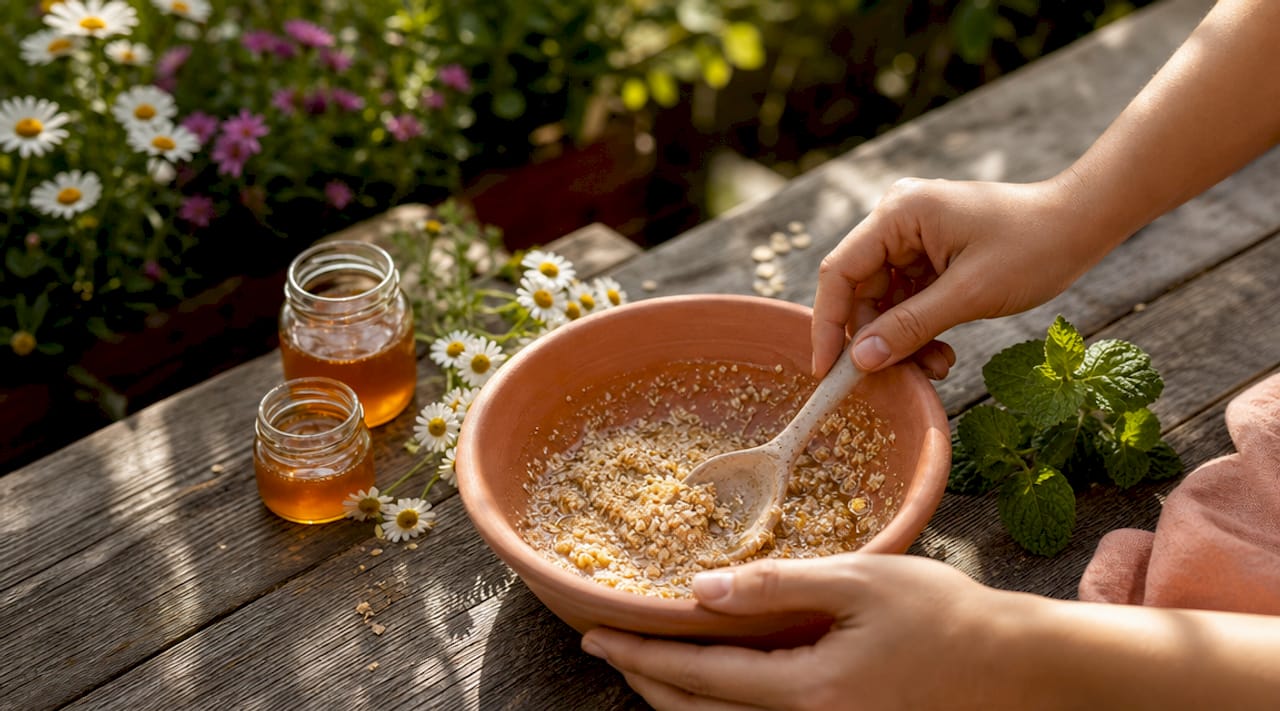
Physical exfoliants use particles to manually lift dead cells. The key variable is particle size and shape. Gentle options include jojoba beads, ground rice, and colloidal oatmeal. These have smooth, uniform edges that reduce friction damage. Coarse materials like pumice, walnut shells, and coffee grounds create microtears in the skin barrier, especially on the face. They may feel effective, but they cause cumulative damage that shows up as sensitivity and redness over time.
Chemical exfoliants dissolve the bonds between dead skin cells using acids or enzymes. Lactic acid is the gentlest acid option and works well for dry or sensitive skin. Enzymatic exfoliants like papain (from papaya) and bromelain (from pineapple) are popular in natural skincare, but enzymatic exfoliants in rinse-off products like soap are often ineffective because the alkaline pH of soap denatures the enzymes before they can act. Leave-on formats deliver better results.
| Exfoliant type | Examples | Best for | Avoid if |
|---|---|---|---|
| Physical (gentle) | Jojoba beads, colloidal oatmeal, ground rice | Normal, oily, combination skin | Sensitive, acne-prone, or inflamed skin |
| Physical (coarse) | Pumice, walnut shells, coffee grounds | Body only (feet, elbows) | Face, neck, or any compromised skin |
| Chemical (acid) | Lactic acid, mandelic acid | Dry, sensitive, or aging skin | Active breakouts or open wounds |
| Enzymatic | Papain, bromelain (leave-on) | All skin types | Latex or fruit allergies |
Over-exfoliation causes inflammation, redness, and in darker skin tones, a risk of post-inflammatory hyperpigmentation. Frequency matters as much as method. Exfoliating one to four times per week is the standard range, with sensitive skin staying at the lower end and oily or thicker skin tolerating more. For a curated list of face-safe options, the guide on natural exfoliants for face covers eco-friendly picks organized by skin type.
Pro Tip: If you are new to chemical exfoliants, apply lactic acid to clean, dry skin for 10 minutes before rinsing, rather than leaving it on overnight. This limits exposure while your skin builds tolerance.
Which natural oils and topical ingredients best nourish your skin?
Plant-based oils like coconut oil, jojoba oil, and shea butter provide hydration, improve elasticity, and calm inflammation. They contain fatty acids and vitamins E and B-complex that support skin repair at the cellular level. Oils are not moisturizers on their own. They function best as the final sealing layer in a routine, locking in the hydration delivered by humectants and emollients underneath.
Here is a breakdown of the most effective natural oils and their specific roles:
- Jojoba oil: Structurally closest to human sebum. Non-comedogenic and suitable for all skin types, including acne-prone skin. Absorbs quickly and regulates oil production.
- Squalane: Derived from olives or sugarcane. Lightweight, stable, and deeply moisturizing without any greasy residue. Works well under makeup.
- Coconut oil: Rich in lauric acid with antimicrobial properties. Best for dry body skin or as a hair treatment. Comedogenic rating is moderate, so use with caution on the face.
- Rosehip seed oil: High in vitamin A and vitamin C precursors. Supports collagen production and fades hyperpigmentation over time.
- Shea butter: Dense emollient with anti-inflammatory compounds. Ideal for very dry skin, eczema-prone areas, and cold-weather protection.
Apply oils to damp skin immediately after your serum to maximize absorption and moisture lock-in. Vitamin E in these oils also neutralizes free radicals that break down collagen, which is why consistent use shows cumulative improvement in skin firmness and tone.
Pro Tip: For a simple DIY nourishing mask, mash half an avocado with one teaspoon of raw honey and apply for 15 minutes. Avocado delivers oleic acid and vitamin E, while honey acts as a humectant and has natural antimicrobial properties.
For acne-prone skin, avoid heavy oils with high comedogenic ratings. Stick to jojoba, squalane, or hemp seed oil, all of which support barrier function without blocking pores. You can explore more on skin barrier repair to understand how oil selection connects to barrier health.
How to build a natural skincare routine that sustains nourishment
A repeatable routine is what separates occasional improvement from lasting skin health. The structure is straightforward. Execution and consistency determine results.
- Cleanse gently. Use a mild, sulfate-free cleanser morning and evening. Avoid hot water and harsh soaps that strip the acid mantle. Lukewarm water and a gentle formula preserve the skin’s natural oils while removing dirt and pollutants.
- Exfoliate on schedule. Assign specific days for exfoliation based on your skin type. Oily skin can tolerate three to four sessions per week. Dry or sensitive skin benefits from one to two. Never exfoliate on the same day you use retinol or strong actives.
- Apply a toner or facial mist. A hydrating toner with aloe vera or rose water preps the skin to absorb the next layers. Apply to damp skin and pat in gently.
- Layer a humectant serum. Hyaluronic acid serum applied to damp skin draws moisture into the deeper layers. This is the hydration delivery step.
- Seal with a moisturizer. Choose a formula with emollients like ceramides or plant oils to smooth the surface, then finish with a light occlusive layer if your skin is very dry.
- Add a weekly nourishing mask. Ingredients like kaolin clay, colloidal oatmeal, or a DIY avocado and honey blend give your skin a concentrated dose of nutrients once or twice a week.
- Support from the inside. Adequate sleep (seven to nine hours), stress management, and a diet rich in antioxidants and fatty acids all directly affect how your skin looks and functions. No topical routine fully compensates for chronic sleep deprivation or a nutrient-poor diet.
Avoid common mistakes: over-washing strips the barrier, skipping moisturizer after cleansing accelerates dehydration, and layering incompatible actives (like vitamin C with niacinamide at high concentrations) can cause irritation. For a structured starting point, the guide on building a natural skincare routine walks through each step in detail.
Key takeaways
Natural skin nourishment requires combining internal hydration, gentle exfoliation, plant-based oils, and a consistent daily routine to strengthen the skin barrier and improve long-term radiance.
| Point | Details |
|---|---|
| Hydration is layered | Use humectants, emollients, and occlusives together for all-day moisture retention. |
| Exfoliation needs personalization | Match exfoliant type and frequency to your skin type to avoid barrier damage. |
| Oils seal, not hydrate | Apply plant oils as the final step to lock in moisture, not as a standalone treatment. |
| Diet directly affects skin | Omega-3s, zinc, and antioxidants from food strengthen the barrier from within. |
| Consistency drives results | A simple, repeatable routine outperforms occasional intensive treatments every time. |
What I have learned from years of watching skin respond to natural care
Most people expect natural skincare to work faster than it does, and that expectation is where routines fall apart. Skin cell turnover takes roughly 28 days in younger adults and longer as we age. Real improvement in texture, tone, and hydration shows up after six to eight weeks of consistent practice, not six to eight days.
What I have observed consistently is that the biggest gains come not from adding more products but from removing the wrong ones. Harsh cleansers, over-exfoliation, and incompatible actives create the very problems people are trying to solve. Stripping the barrier triggers excess oil production, sensitivity, and dullness. Simplifying a routine often produces faster results than expanding it.
The other thing worth saying plainly: your skin changes. Hormones, seasons, stress, and age all shift what it needs. A routine that worked perfectly at 30 may need adjustment at 40. Checking in with your skin every few months and adjusting one variable at a time is the most practical way to stay ahead of those changes. Natural skincare is not a fixed formula. It is an ongoing practice of paying attention.
— Kelly
Explore Yuka+Face for natural skin nourishment

Yukaface builds every product around the principle that skin responds best to what nature provides. The full range includes gentle cleansers, humectant serums, plant oil blends, and barrier-repair moisturizers, all vegan, cruelty-free, and formulated for every skin type and age. If you are building or refining a natural routine, the vegan skincare guide is a practical starting point for understanding which ingredients to prioritize. For daily structure, the morning skincare routine guide shows how to layer Yukaface products for maximum hydration and protection. Clean ingredients. Clear results.
FAQ
What does it mean to nourish skin naturally?
Natural skin nourishment means supporting skin health through hydration, exfoliation, and topical care using plant-based, naturally sourced ingredients. It also includes internal factors like diet, sleep, and stress management that directly affect skin barrier function.
How often should you exfoliate for healthy skin?
Exfoliate one to four times per week depending on your skin type and the exfoliant used. Sensitive skin benefits from once weekly, while oily or thicker skin can tolerate up to four sessions. Over-exfoliation risks include inflammation and hyperpigmentation, particularly in darker skin tones.
Which natural oils are best for dry skin?
Shea butter, rosehip seed oil, and squalane are the most effective natural oils for dry skin. They deliver fatty acids and vitamin E that repair the barrier and reduce water loss without clogging pores.
Does diet actually affect skin hydration?
Yes. Omega-3 and omega-6 fatty acids from foods like salmon, walnuts, and pumpkin seeds directly strengthen the skin barrier and improve its ability to retain moisture. Zinc and antioxidants from whole grains and leafy greens reduce inflammation that accelerates skin aging.
When is the best time to apply moisturizer?
Apply moisturizer within three minutes after bathing or cleansing. Damp skin absorbs humectants more efficiently, and sealing with an emollient or occlusive layer immediately after prevents evaporation and maximizes moisture retention throughout the day.