
How to hydrate skin sustainably for lasting natural beauty
TL;DR:
Dry, tight skin that remains parched despite extensive product use is a common skincare frustration.
Choosing truly sustainable, vegan, and effective hydrating products requires understanding key ingredients and layering strategies.
Dry, tight skin that drinks up product after product and still feels parched is one of the most common frustrations in skincare. The challenge runs even deeper when you are committed to eco-conscious choices: finding products that genuinely hydrate, avoid animal testing, and minimize environmental harm takes real effort. This article covers the science of sustainable hydration, the ingredients that actually work, a practical step-by-step routine, and how to personalize your approach for your skin type, age, and lifestyle. Whether you are new to vegan skincare or fine-tuning a routine you have built for years, these evidence-backed strategies will help.
Why sustainable skin hydration matters
Hydration is not just a beauty goal. The way you choose to hydrate your skin carries real consequences for ecosystems, labor practices, and animal welfare. Understanding that connection is the first step toward building a routine that serves both your skin and the planet.
Most conventional moisturizers are 80 to 90 percent water, which sounds harmless until you consider the preservatives needed to stabilize those formulas, the energy used in production, and the plastic packaging that ends up in landfills. Waterless and low-water formulas cut that environmental burden significantly. They also tend to be more concentrated, so you use less product per application.
A very common misconception is that “vegan” automatically means sustainable or cruelty-free. It does not. A product can be free of animal-derived ingredients yet still be tested on animals in certain markets, sourced through environmentally damaging supply chains, or packaged in non-recyclable plastic. The guide to vegan skincare at Yuka+Face breaks down these distinctions in detail. Always look for third-party verification before trusting a label.
Key certifications to prioritize:
Leaping Bunny: The gold standard for cruelty-free verification across the entire supply chain
COSMOS Organic or COSMOS Natural: Certifies organic or natural ingredient sourcing and responsible manufacturing
B Corp: Indicates broader environmental and social accountability
Vegan Society trademark: Confirms no animal-derived ingredients or byproducts
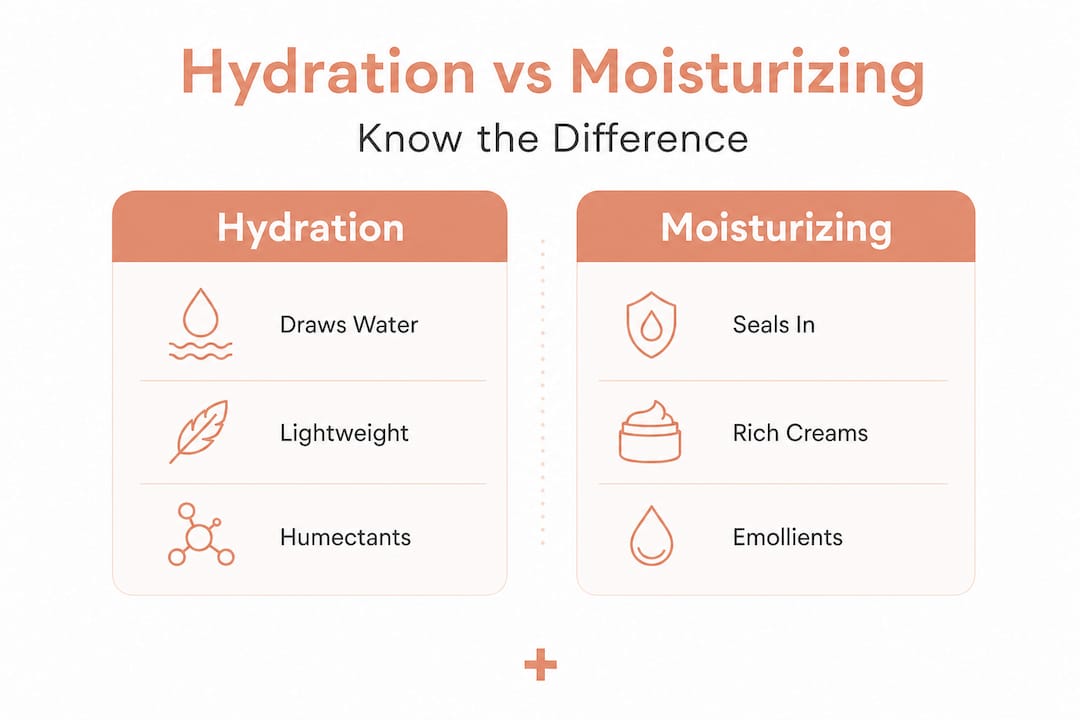
Understanding the difference between hydration and moisturizing also matters here. Explore the hydration vs moisturizing breakdown to understand how these two functions work together. Layering plant-based ingredients that address both processes gives your skin more complete, long-lasting results compared to any single-step product.
Key ingredients for sustainable skin hydration
Plant-derived skincare science has advanced to the point where humectants, emollients, and occlusives from botanical sources match or exceed the performance of their conventional counterparts. Knowing what each category does and where it comes from helps you read labels with confidence.
Humectants draw water into the skin from the environment and from deeper skin layers. Key plant-derived options include:
Hyaluronic acid produced through fermentation (no animal tissue required)
Vegetable glycerin, a byproduct of plant-based soap production
Sodium hyaluronate, a smaller-molecule form of hyaluronic acid that penetrates more effectively
Emollients soften the skin and fill in the microscopic gaps between skin cells, smoothing texture and supporting the skin barrier. Sustainable sources include:
Jojoba oil, technically a liquid wax that closely resembles the skin’s natural sebum
Shea butter, cold-pressed from the shea tree nut
Squalane derived from sugarcane or olives rather than shark liver
Occlusives create a physical layer on the skin surface to slow transepidermal water loss (TEWL). Vegan occlusives include:
Candelilla wax, a plant alternative to beeswax
Carnauba wax from palm leaves
Rice bran wax
Ingredient typeSustainable sourcePrimary actionHumectantFermented hyaluronic acidDraws moisture into skin cellsHumectantVegetable glycerinAttracts and holds water at skin surfaceEmollientJojoba oilSoftens skin, fills intercellular gapsEmollientShea butterNourishes and smooths dry or rough areasOcclusiveCandelilla waxSeals in moisture, reduces TEWLOcclusiveSqualane (sugarcane)Locks hydration, lightweight finish
Pro Tip: Single-ingredient routines rarely deliver lasting results. Your skin needs a humectant to pull water in, an emollient to soften, and an occlusive to seal. Skip any one layer and you leave hydration incomplete.
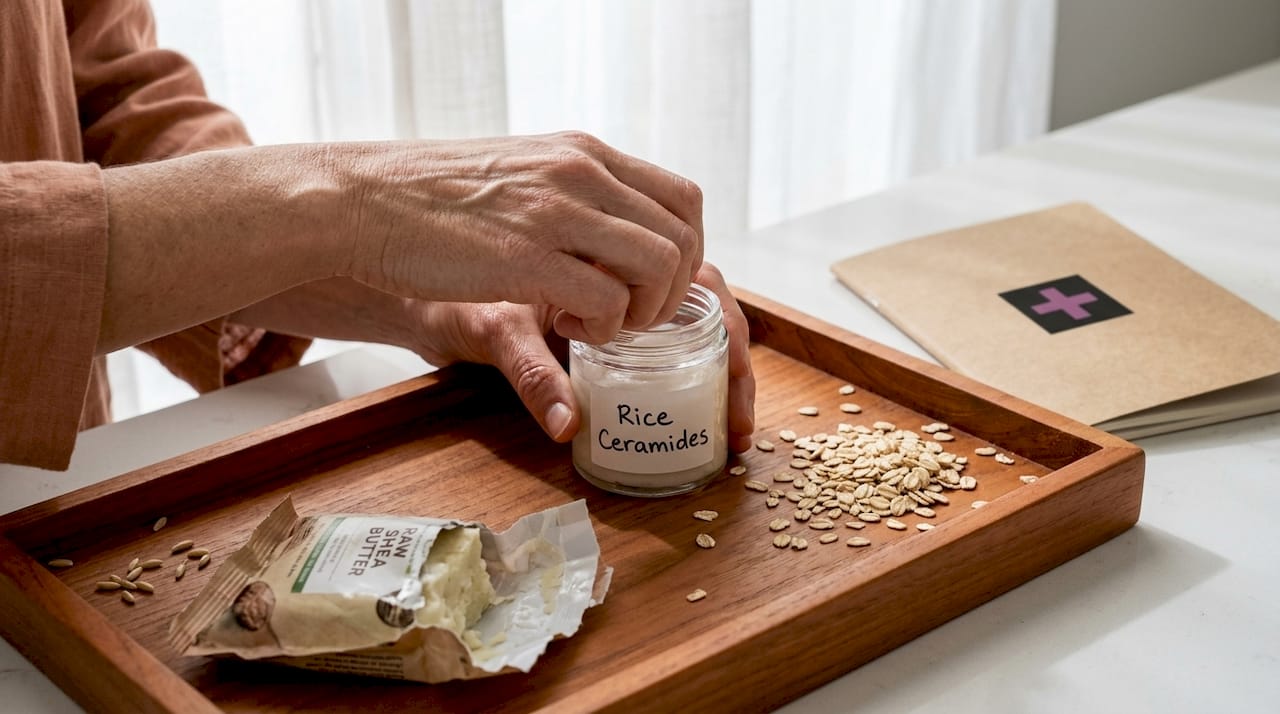
Look for barrier-repairing ingredients that pair well with these core three, such as ceramides derived from rice or oats, which reinforce the protective skin barrier and reduce sensitivity over time.
Step-by-step routine: How to hydrate skin sustainably
Knowing the right ingredients is only half the equation. Application order, timing, and environment all determine how well those ingredients perform. Follow this sequence for maximum water retention using plant-based products.
Cleanse gently. Use a mild, sulfate-free cleanser suited to your skin type. Avoid hot water as it strips natural oils. Lukewarm water for 60 seconds is sufficient.
Do not fully dry your skin. Pat lightly with a clean towel and leave skin slightly damp. This sets up the next step.
Apply humectant serum within three minutes. Apply to damp skin to trap surface water. A few drops of a vegetable glycerin or hyaluronic acid serum is enough.
Layer emollient cream. Apply over the serum while it is still slightly tacky. This locks the humectant in place and delivers lipid-based nourishment.
Finish with occlusive. A thin layer of squalane or plant wax-based balm over the cream seals everything in. This step is especially important in dry climates or heated indoor spaces.
“Using humectants alone in low-humidity environments can actually draw water out of the skin rather than into it. Pairing them with an occlusive is non-negotiable for real results.”
The sequence above applies equally to morning and evening routines, with one key difference: in the morning, follow with SPF. At night, your skin is in repair mode, so you can use richer emollients and occlusives without concern for pilling under sunscreen.
Environmental tweaks that make a difference:
Maintain indoor humidity between 40 and 60 percent using a humidifier in dry seasons
Keep showers under 10 minutes to avoid stripping the skin barrier
Drink adequate water throughout the day to support internal hydration
Compare approaches to build a skincare routine that fits your schedule and lifestyle. Understanding the skin barrier vs dehydration distinction also helps you troubleshoot when results plateau.
StepProduct typeWhy it works1. CleanseGentle, sulfate-free washRemoves buildup without stripping oils2. Humectant serumGlycerin or HA serumPulls water into skin cells3. Emollient creamShea or jojoba-based moisturizerFills gaps, softens texture4. Occlusive finishSqualane or plant wax balmSeals in moisture, reduces TEWL
Customizing sustainable hydration for all skin types and conditions
A one-size routine does not exist in skincare. Age, skin type, local climate, and lifestyle factors all influence how your skin responds to hydration. Here is how to adapt the core routine for your specific needs.
Oily or acne-prone skin: Stick to lightweight gel formulas containing niacinamide and hyaluronic acid. Avoid heavy butters and waxes that can clog pores. Use a water-based occlusive like a thin layer of aloe vera gel rather than a wax-based product.
Dry or sensitive skin: Reach for rich creams with ceramides sourced from rice or oats alongside shea butter. Avoid fragrance and essential oils, which can trigger irritation even in natural formulas. Fragrance-free and minimalist ingredient lists are safer for reactive skin.
Mature skin: Focus on barrier repair alongside hydration. Collagen production drops significantly with age, making moisture retention harder. Bakuchiol, a plant-derived alternative to retinol, combined with moisture-locking butters and ceramides, supports both hydration and skin resilience without irritation.
Harsh climate adjustments:
Dry or air-conditioned environments: Reapply your emollient midday and add a facial mist between applications
Humid climates: Scale back occlusives and focus on lightweight humectants to avoid congestion
Polluted urban environments: Add a pollutant-barrier cream containing antioxidants like vitamin C or green tea extract in the morning routine
Pro Tip: Skin needs change with seasons. Your winter routine should be richer and more occlusive-focused, while summer may call for lighter emollients and more humectant layering.
Explore modern ageless beauty tips for guidance on adapting routines as the skin matures. Supporting the barrier long-term with repairing ingredients is the most effective strategy at any age.
The ideal skin pH for most people sits between 4.5 and 5.5. Products that fall outside this range can disrupt the microbiome and undermine hydration. Check pH when choosing toners and actives to keep your barrier functioning at its best.
Mistakes to avoid and how to know you’re on track
Even well-intentioned eco routines can stall or backfire. Recognizing common errors early saves time and protects your skin.
Common mistakes:
Using humectants only, without an occlusive layer. In low-humidity conditions, humectants alone increase TEWL because they pull water toward the dryer air rather than into the skin
Over-cleansing, which strips the natural lipid barrier and forces the skin into a cycle of dryness and excess oil production
Assuming “natural” fragrance is safe. Essential oils, while plant-derived, are a leading cause of contact dermatitis even in eco-friendly products
Switching products too quickly. Skin typically takes four to six weeks to show measurable change from a new routine
Confusing dehydration with a damaged barrier. These two conditions look similar but need different solutions. The skin barrier and dehydration differences guide explains how to tell them apart
“Progress in sustainable skincare is measured in weeks, not days. Consistent application and patient observation are the most important tools you have.”
Signs your routine is working:
Skin feels soft and supple rather than tight or rough within two to three hours of application
Less visible flaking or dry patches within two to three weeks
Reduced redness or sensitivity over four to six weeks
A visible, healthy glow that holds throughout the day
If you are still experiencing persistent tightness, breakouts from new products, or increasing sensitivity after six weeks, it may signal a barrier issue rather than simple dehydration. Consulting a dermatologist at that point is a practical next step.
The sustainable skin hydration truth most routines overlook
Most guides on sustainable skincare focus heavily on ingredient sourcing and certification, which is important, but they stop short of addressing a critical gap: a routine can be perfectly ethical and still fail to hydrate effectively.
The reason is TEWL (transepidermal water loss). Water evaporates continuously from the skin surface. If a routine does not include an occlusive layer, even the best plant-based humectants cannot maintain hydration levels. Many popular “natural” routines built around single-ingredient applications (pure rosehip oil or pure aloe, for example) address only one layer of the hydration equation. They are not wrong, they are just incomplete.
The other gap is adaptation. Skin is not static. It shifts with hormonal cycles, seasons, age, and stress. A routine that worked at 30 may underperform at 45. A formula perfect for a humid coastal climate may fail within weeks of moving to a dry inland city. The most sustainable approach is the one you actually adjust. Holding rigidly to a routine because it is “natural” or “certified” while ignoring what your skin is telling you is a form of confirmation bias that costs both money and results.
Understanding the real difference between hydration and moisturizing is where this starts. Chasing the most impressive certification or the longest ingredient list is less useful than building a layered routine, observing results honestly, and pivoting when needed. Ethics and efficacy are not competing values. Balancing both, and staying flexible enough to adapt, is what truly sustainable skincare looks like in practice.
Take the next step toward hydrated, sustainable skin
Ready to put these principles into practice with products you can trust? Yuka+Face offers a curated range of 100 percent natural, vegan, and cruelty-free formulas designed for all skin types and ages, built on botanical research and ethical sourcing.
Start with the guide to vegan skincare to identify certified products that match your values and your skin’s needs. If you are working through dryness or barrier issues, the hydration and restoration resource covers targeted strategies for recovery. When you are ready to structure your full routine from cleanse to occlusive, the step-by-step build a vegan skincare routine guide walks you through every decision clearly. Sustainable skin starts with the right information and the right products.
Frequently asked questions
What is the most sustainable ingredient for skin hydration?
Plant-derived hyaluronic acid via fermentation and squalane from sugarcane or olives offer high efficacy with minimal environmental impact, making them top choices for eco-conscious routines.
Should I always choose waterless moisturizers?
Waterless formulas are more sustainable, but the best approach is a low-water or waterless product that also addresses your specific skin type and layering needs rather than switching blindly.
How do I know if my skin is hydrated effectively?
Skin that feels soft, smooth, and comfortable with minimal redness or flaking is well-hydrated. Persistent tightness, dullness, or irritation signals a need to adjust your product selection or application method.
What order should I apply hydrating products?
Layer humectant serum first, then emollient cream, and finish with an occlusive to create a complete moisture-sealing system on damp, freshly cleansed skin.
Are vegan products always cruelty-free and sustainable?
No. Always verify with Leaping Bunny or COSMOS certification, as vegan labeling alone does not guarantee cruelty-free testing practices or sustainable sourcing throughout the supply chain.