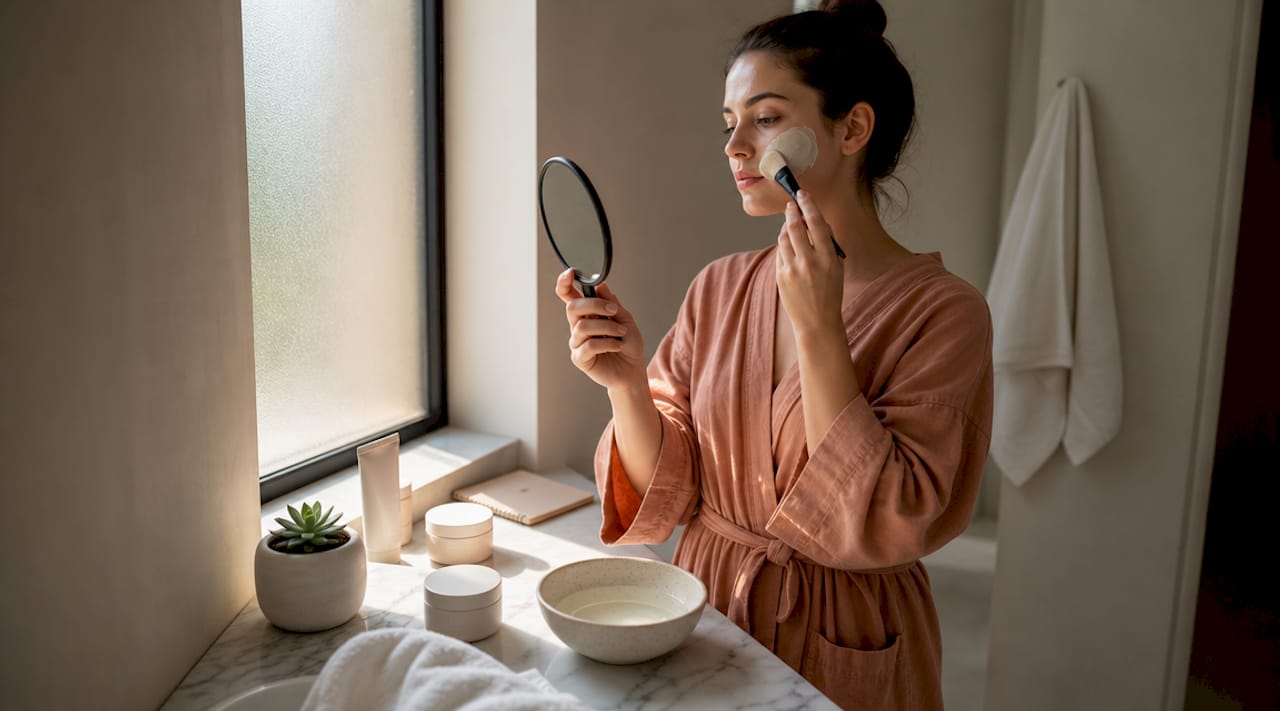
Types of Facial Masks: Skin Concern Guide for 2026
Types of Facial Masks: Skin Concern Guide for 2026
TL;DR:
- Facial masks deliver concentrated ingredients directly to target specific skin concerns, with various types suited for different conditions. Proper mask selection, rotation based on skin needs, and appropriate frequency optimize results and prevent irritation. Masks are essential supplements to a routine, complementing professional treatments and adapting with seasonal skin changes.
Facial masks are topical skincare treatments formulated to deliver concentrated ingredients directly to the skin, targeting specific concerns from dehydration to clogged pores. The types of facial masks available today span clay, sheet, peel-off, cream, bubble, and sleeping formats, each built around a distinct delivery method and active ingredient profile. Knowing which mask suits your skin condition, not just your preferences, determines whether you see real results or waste time on the wrong formula. This guide breaks down every major mask category, explains the science behind each, and helps you build a rotation that works for your skin in 2026.
1. Types of facial masks: what they are and how they work
Facial masks are defined by their base formulation and the mechanism through which they deliver ingredients. A clay mask draws out impurities through absorption. A sheet mask seals in serum through occlusion. A peel-off mask lifts surface debris through adhesion. Each mechanism produces a different outcome, which is why matching the mask type to your skin concern is the single most important decision in any masking routine. Using the wrong type, such as a clarifying clay mask on already dehydrated skin, compromises the skin barrier and triggers irritation rather than improvement.
2. Hydrating and cream masks: best for dry and sensitive skin
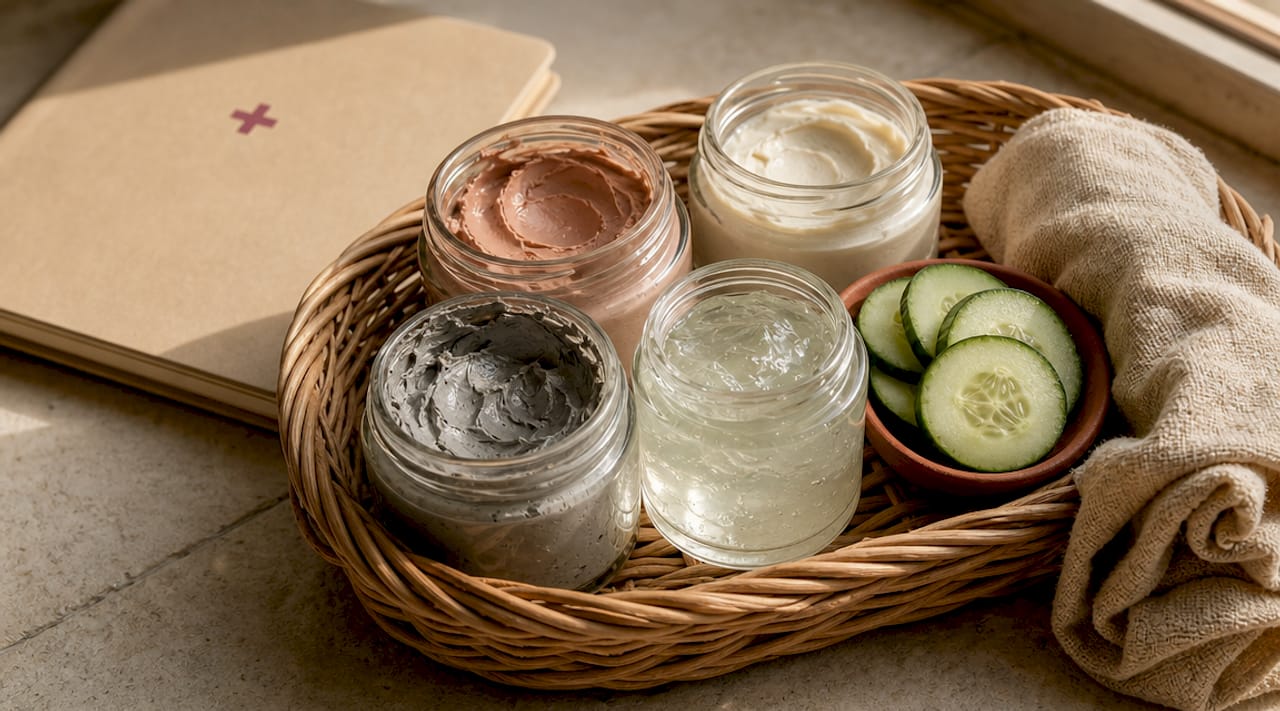
Hydrating masks and cream masks are designed to replenish moisture and reinforce the skin barrier. They work through occlusion and ingredient saturation, delivering humectants and emollients that dry or sensitive skin cannot produce in sufficient quantity on its own. Key ingredients include hyaluronic acid, aloe vera, and avocado oil, each chosen for their ability to attract or retain water within the skin layers.
Sheet masks function as a subcategory of hydrating delivery. They hold serum against the skin, preventing evaporation and maximizing absorption. Sheet masks worn for 15 to 20 minutes deliver the most benefit before the fabric begins to dry and pull moisture back out of the skin. Leaving them on longer reverses the hydrating effect entirely.
Key ingredients to look for in hydrating masks:
- Hyaluronic acid: Draws water from the environment into the skin
- Aloe vera: Soothes inflammation and delivers lightweight hydration
- Avocado oil: Provides fatty acids that reinforce the lipid barrier
- Ceramides: Seal moisture in and protect against environmental stress
Pro Tip: Rotate hydrating masks more frequently in winter when indoor heating strips moisture from the skin. Apply to slightly damp skin to amplify absorption.
Sensitive skin types should patch-test any new hydrating mask on the inner arm before full-face application. Even gentle formulas can trigger reactions in reactive skin, particularly those containing fragrance or essential oils.
3. Clay and mud masks: targeted cleansing for oily and acne-prone skin
Clay masks are the most widely used pore cleansing solution for oily and acne-prone skin. They work by absorbing excess sebum and drawing out impurities through the pores, leaving skin visibly mattified and refined. Mud masks operate similarly but carry additional minerals from their source material, making them more of a healing agent than a purely cosmetic drying agent.
The most effective clays for oily skin are bentonite and French green clay. Bentonite carries a strong negative charge that attracts positively charged toxins and sebum. French green clay is rich in minerals and particularly effective at tightening enlarged pores. Both are available in powder form, which gives you control over consistency and mixing ingredients.
Mixing dry powder clay masks with raw apple cider vinegar instead of water produces a more skin-friendly pH balance and adds antimicrobial properties that plain water mixtures lack. This is especially useful for acne-prone skin where pH regulation supports breakout prevention.
Charcoal masks belong in this category as well. Activated charcoal binds to surface-level impurities and excess oil through adsorption, making it a strong detoxifying option for congested skin. Charcoal is often combined with clay for a dual-action formula.
Usage guidelines for clay and mud masks:
- Apply to clean, dry skin in a thin, even layer
- Leave on until just barely dry, not until cracking
- Remove with a warm, damp cloth using gentle circular motions
- Use no more than three times per week to avoid stripping the moisture barrier
Pro Tip: If your skin feels tight or uncomfortable after a clay mask, reduce frequency and follow immediately with a hydrating serum and moisturizer.
Overuse of clay masks disrupts the skin’s protective moisture barrier, which can paradoxically increase oil production as the skin compensates for dryness.
4. Exfoliating and peel-off masks: resurfacing and pore refinement
Exfoliating masks remove dead skin cells from the surface layer, improving texture, brightness, and product absorption. Two formats exist: chemical exfoliating masks, which use acids to dissolve the bonds between dead cells, and physical exfoliating masks, which use fine particles to buff the surface. Chemical formats are generally gentler and more precise than physical scrubs, which can create micro-tears in sensitive skin.
Common acids in chemical exfoliating masks include glycolic acid, lactic acid, and mandelic acid. Fruit-based masks using papaya or pineapple enzymes offer a milder alternative for skin that reacts to synthetic acids. For those interested in natural exfoliants for the face, botanical options like rice bran and oat flour deliver gentle resurfacing without synthetic additives.
Peel-off masks provide a third option. They deliver mild mechanical exfoliation through the act of removal, lifting surface debris and dead cells along with the dried film. Ingredients like grapeseed extract, avocado, and activated charcoal are commonly added to peel-off formulas for antioxidant and detoxifying benefits.
Key usage rules for exfoliating and peel-off masks:
- Limit chemical exfoliating masks to once or twice per week
- Avoid applying near the eye area due to the risk of irritation from active ingredients
- Always follow with SPF the morning after chemical exfoliation
- Do not combine with retinol or other active treatments on the same night
Pro Tip: If you use a retinol-based product in your routine, check out the retinol vs. bakuchiol comparison to understand how exfoliating masks interact with your actives.
5. Innovative and specialty masks: bubble, gold, sleeping, and sheet masks
Beyond the core categories, a set of specialty mask formats has grown significantly in popularity. Each offers a distinct texture or extended benefit that standard masks do not provide.
| Mask Type | How It Works | Best For | Key Caution |
|---|---|---|---|
| Bubble mask | Carbonated formula oxygenates on contact, lifting impurities | Dull, congested skin | Avoid if skin is reactive or rosacea-prone |
| 24K gold mask | Antioxidant-rich formula with colloidal gold for anti-aging | Mature or dull skin | Luxury tier; verify gold concentration |
| Sleeping mask | Applied as final step, worn overnight for deep hydration | Dry, fatigued skin | Do not layer over heavy actives |
| Sheet mask | Serum-soaked fabric creates occlusive seal for absorption | All skin types | Remove at 15 to 20 minutes maximum |
Bubble masks, also called carbonated masks, release oxygen on contact with skin. This oxygenating action loosens surface debris and gives a deep-cleanse sensation without the drying effect of clay. They suit dull or congested skin but are not recommended for reactive or rosacea-prone skin types.
Sleeping masks, sometimes called sleeping packs, are applied as the final step in an evening routine and left on overnight. They function as an intensive occlusive treatment, locking in all previously applied serums and moisturizers while delivering their own active ingredients across several hours. The result is noticeably plumper, more radiant skin by morning.
6. How to choose the right facial mask for your skin type
Choosing the right mask starts with identifying your current skin condition, not your skin type alone. Skin condition changes with season, stress, diet, and age. A person with combination skin may need a hydrating mask in winter and a clay mask in summer. Rotating mask formulas based on skin condition and season produces better results than committing to one type year-round.
Practical selection guide by concern:
- Dryness or dehydration: Cream mask, sleeping mask, or hyaluronic acid sheet mask. Read the difference between hydration and moisturizing before selecting.
- Excess oil or breakouts: Bentonite or French green clay mask, charcoal mask
- Dull or uneven texture: Chemical exfoliating mask with glycolic or lactic acid
- Aging or loss of firmness: 24K gold mask, peptide-rich sleeping mask
- Congestion without oiliness: Bubble mask or enzyme-based exfoliating mask
Avoid selecting masks based on trends alone. Mismatching mask type to skin needs is the most common cause of mask-related irritation and barrier disruption. When skin is reactive or changing rapidly, a professional skincare consultation provides a more reliable path to the right formula than trial and error.
For those building a full routine, learning how to personalize your skincare routine helps integrate masks at the right step and frequency.
Pro Tip: Keep two or three mask types on hand and select based on how your skin feels that week, not a fixed schedule. Skin is not static, and your masking routine should not be either.
Key takeaways
The most effective facial mask routine uses multiple mask types rotated by skin condition, not a single formula applied on a fixed schedule.
| Point | Details |
|---|---|
| Match mask to skin condition | Select clay for oiliness, cream or sheet for dryness, and exfoliating for texture concerns. |
| Respect usage frequency | Clay and mud masks should be used no more than three times per week to protect the moisture barrier. |
| Time sheet masks correctly | Remove sheet masks at 15 to 20 minutes to prevent the reverse drying effect. |
| Rotate by season | Skin needs shift with temperature and humidity, so mask selection should shift with them. |
| Supplement, do not replace | At-home masks support professional treatments but cannot replicate clinical-grade exfoliation or extraction. |
What I’ve learned from years of watching people mask incorrectly
The most common mistake is treating a facial mask as a weekly ritual rather than a responsive tool. People pick one mask, use it every Sunday, and wonder why their skin plateaus. The mask that works in August on oily, sun-stressed skin is not the mask that works in January on a compromised, wind-dried barrier.
The second mistake is overusing clarifying masks. Clay and charcoal formulas are genuinely effective, but they are also the most abused. Using them daily, or even four times a week, strips the barrier faster than the skin can repair it. The result looks like sensitivity or breakouts, when it is actually self-inflicted dryness.
Masks are supplements to a routine, not the routine itself. At-home masking works best alongside professional treatments, not as a substitute for them. A clinical facial provides extraction depth and exfoliation precision that no jar or sheet can match. Masks maintain the results between appointments. That is their real job.
As skin ages, the mask rotation needs to shift too. Exfoliating masks that were well-tolerated at 25 may be too aggressive at 45 on a thinner, drier barrier. Sleeping masks and peptide-rich cream masks become more useful with age. The approach to ageless beauty is not about using more products. It is about using the right ones at the right time.
— Kelly
Explore Yukaface’s natural mask-friendly skincare range
Yukaface builds every product around vegan, botanically sourced ingredients designed for all skin types and ages. No fillers, no compromise.
The Yukaface journal covers everything from summer skincare mask tips to building a full morning routine that works with your masking schedule. Each guide is written to help you make informed choices, not just follow trends. Browse the full Yukaface range to find formulas that complement your mask rotation and support your skin through every season.
FAQ
What are the main types of facial masks?
The main types are clay, cream, sheet, peel-off, exfoliating, sleeping, bubble, and gold masks. Each targets a different skin concern through a distinct formulation and delivery method.
How often should you use a clay mask?
Clay and mud masks should be used no more than three times per week to avoid stripping the skin’s moisture barrier and triggering dryness or irritation.
How long should a sheet mask stay on?
Sheet masks should be worn for 15 to 20 minutes. Leaving them on longer causes the fabric to dry out and draw moisture back from the skin, reversing the hydrating benefit.
Can you use different mask types in the same week?
Yes. Rotating mask types based on skin condition produces better results than using one formula exclusively. Use a clay mask after a high-sebum day and a hydrating mask after sun or wind exposure.
Do facial masks replace professional facials?
No. At-home masks supplement professional treatments but cannot replicate the depth of clinical exfoliation or extraction. Professional facials provide controlled results that home masking alone cannot achieve.