How to Manage Skin Aging: A Holistic Guide
How to Manage Skin Aging: A Holistic Guide
TL;DR:
- Consistent daily habits like sun protection, retinoids, antioxidants, and healthy lifestyle choices can significantly slow skin aging. Proper cleansing, sunscreen application, and controlled exfoliation support the skin barrier and cellular renewal, enhancing long-term appearance. Combining these practices with at-home devices and lifestyle changes optimizes skin health and reduces visible aging signs.
Skin aging is defined as the gradual loss of collagen, elastin, and cellular renewal capacity that produces wrinkles, uneven tone, and reduced firmness over time. The good news: you can slow this process significantly through consistent, evidence-based daily habits. Knowing how to manage skin aging means combining sun protection, targeted active ingredients like retinoids and vitamin C, and lifestyle choices that reduce internal inflammation. This guide covers every layer of that approach, from your morning cleanser to your dinner plate, backed by clinical research and practical application.
What daily skincare routines best manage signs of skin aging?
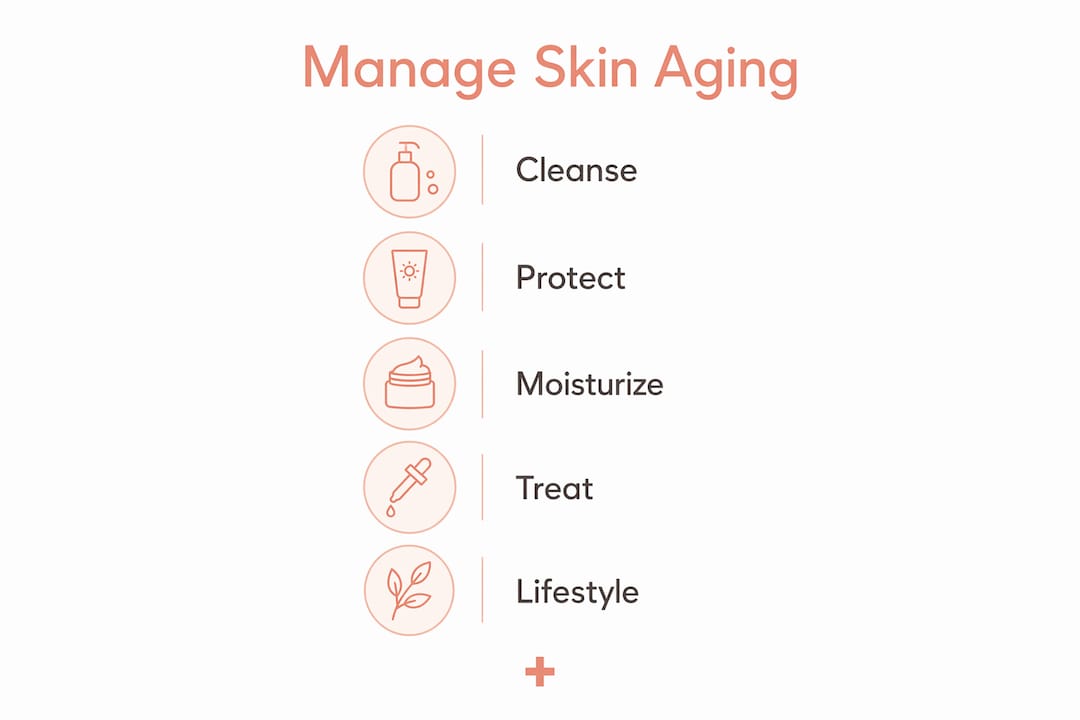
A daily skincare routine for mature skin rests on four non-negotiable steps: gentle cleansing, moisturizing, broad-spectrum sunscreen, and topical antioxidants. Each one addresses a distinct aging mechanism, and skipping any of them creates a gap that no single product can fill.
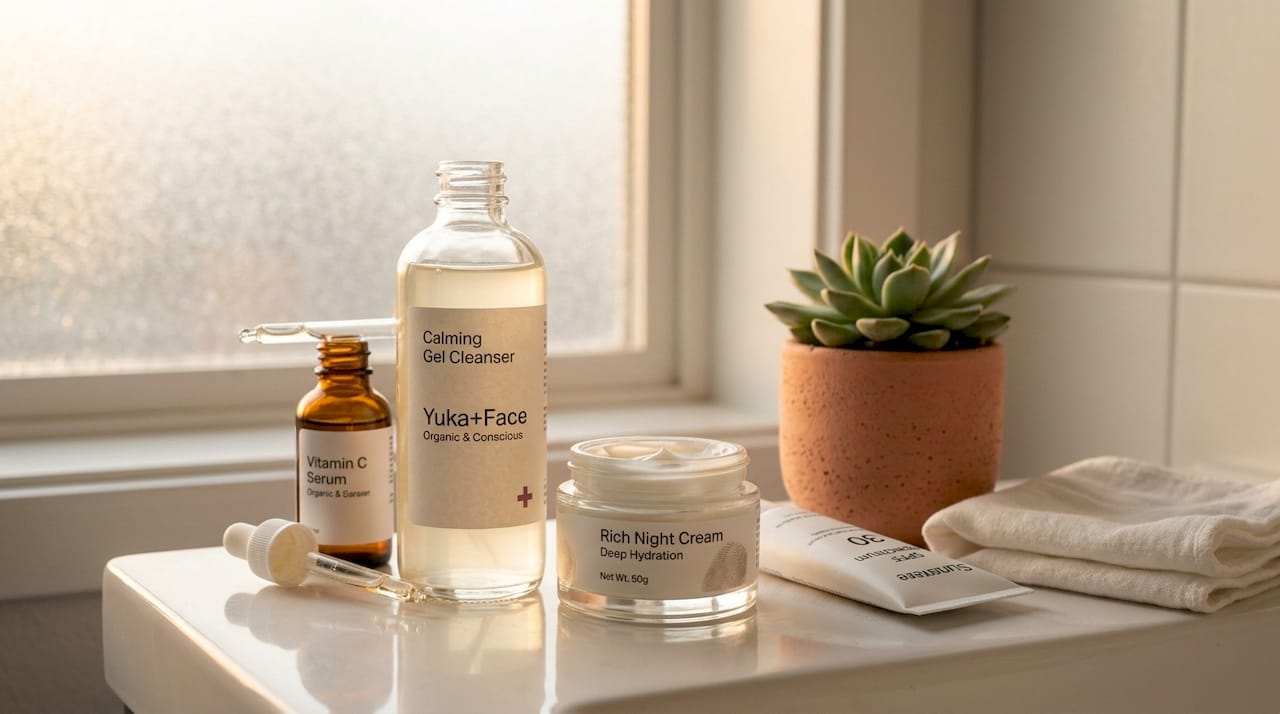
Cleansing and moisturizing form the base. A gentle, sulfate-free cleanser removes pollutants and oxidative debris without stripping the skin barrier. Barrier disruption is one of the fastest routes to accelerated aging. Barrier integrity is a nuanced but critical factor. Once compromised, the skin loses water faster, inflammation rises, and fine lines deepen. Follow cleansing immediately with a moisturizer containing ceramides, hyaluronic acid, or peptides to lock hydration back in.
Sunscreen is the single most protective step. Daily broad-spectrum SPF 30+ prevents collagen and elastin breakdown caused by UV radiation, and Harvard Health recommends applying it every morning, including winter and overcast days. UV exposure is the primary driver of photoaging, responsible for the majority of visible skin changes by age 60. The National Institute on Aging advises applying sunscreen 15 to 30 minutes before sun exposure and reapplying every two hours outdoors. Pairing sunscreen with a wide-brimmed hat and UV-protective clothing compounds the benefit considerably.
Topical antioxidants are the fourth pillar. Vitamin C, specifically L-ascorbic acid at 10 to 20% concentration, applied as a morning serum neutralizes free radicals before they degrade collagen. Layering vitamin C under your sunscreen creates a two-layer defense against oxidative stress and genomic instability, two of the primary cellular hallmarks of skin aging.
The recommended daily routine looks like this:
- Morning: Gentle cleanser, vitamin C serum, moisturizer, broad-spectrum SPF 30+
- Evening: Gentle cleanser, active treatment (retinoid or peptide serum), moisturizer
- Weekly: Chemical exfoliant one to two times per week (see next section)
Pro Tip: Apply vitamin C serum to dry skin and wait 60 to 90 seconds before layering moisturizer. This prevents dilution and maximizes absorption of L-ascorbic acid.
How do retinoids and exfoliants help manage skin aging?
Retinoids and chemical exfoliants are the two most clinically validated active ingredients for reducing visible signs of aging. Both work by accelerating cellular turnover, but they operate through different mechanisms and require different handling.
Retinoids stimulate collagen synthesis and normalize cell turnover, directly addressing wrinkles, uneven pigmentation, and skin texture. A 2024 prospective trial found a 22 to 27% reduction in Skin Aging Global Score with consistent topical retinoid use over 6 to 12 weeks. That is a measurable, meaningful improvement achievable without clinical procedures. However, retinoids increase photosensitivity, which means inadequate sunscreen use during retinoid therapy can cause pigment rebound and irritation, undoing the gains.
Here is how to introduce retinoids safely:
- Start with the lowest available concentration, typically retinol at 0.025% to 0.05%.
- Apply only at night, to dry skin, two to three times per week for the first month.
- Increase frequency gradually to nightly use over 8 to 12 weeks as tolerance builds.
- Always apply broad-spectrum SPF 30+ the following morning without exception.
- Avoid combining retinoids with benzoyl peroxide or high-concentration AHAs on the same night.
Chemical exfoliants work differently. Alpha hydroxy acids (AHAs) like glycolic acid and lactic acid dissolve the bonds between dead skin cells, revealing fresher skin underneath. Beta hydroxy acids (BHAs) like salicylic acid penetrate pores and reduce congestion. Chemical exfoliation once or twice a week is preferred over physical scrubbing because it delivers controlled, even results without micro-tears. Physical scrubs with walnut shell or sugar particles create uneven abrasion that damages the barrier over time.
Controlled exfoliation acts as a calibrated trigger for skin renewal. Overuse, however, leads to barrier damage and increased inflammatory aging signs. Redness, tightness, and sudden sensitivity after exfoliation are warning signs to scale back immediately. For a deeper look at safe options, the Yukaface guide on natural exfoliants covers eco-friendly picks that minimize irritation risk.
Pro Tip: Never use a retinoid and a chemical exfoliant on the same night. Alternate them across the week to give your barrier recovery time between active treatments.
Which lifestyle factors most impact skin aging?
Topical products address the surface. Lifestyle habits determine what the surface has to work with. The following factors have the strongest documented impact on how quickly or slowly skin ages.
-
UV exposure is the leading external cause of skin aging, responsible for collagen fragmentation, pigmentation, and loss of elasticity. Seeking shade between 10 a.m. and 4 p.m. and wearing protective clothing reduces cumulative UV damage more than any topical product alone.
-
Smoking accelerates collagen breakdown and restricts blood flow to skin tissue. Quitting smoking and choosing antioxidant-rich foods are two of the most effective lifestyle strategies for slowing visible aging. The circulatory damage from smoking is visible in skin tone and texture within years, not decades.
-
Diet shapes skin aging from the inside. A Mediterranean-style diet, rich in olive oil, leafy greens, fatty fish, and berries, provides the antioxidants and omega-3 fatty acids that counteract oxidative stress in skin cells. High sugar intake, by contrast, triggers glycation, a process that cross-links collagen fibers and makes them rigid and prone to wrinkling.
-
Sleep and stress are underestimated aging accelerators. Stress, poor sleep, and high sugar intake promote inflammation, glycation, and collagen degradation. During deep sleep, the body releases growth hormone and repairs cellular damage accumulated during the day. Consistently getting less than seven hours disrupts this cycle and shows on skin within weeks.
-
Exercise supports skin renewal through improved circulation and, at moderate intensity, upregulates autophagy, the cellular cleanup process that removes damaged proteins. Intermittent fasting has shown similar autophagy benefits in early research, though the direct skin aging data remains preliminary.
The practical approach is to treat lifestyle changes as a stack, not a single fix. Quitting smoking while improving sleep and adding two servings of fatty fish per week creates compounding benefits that no serum can replicate.
What at-home devices and advanced treatments can complement skincare?
When a consistent topical routine is established, at-home devices and professional treatments can address aging mechanisms that creams and serums cannot reach alone.
| Treatment | Mechanism | Best for | Frequency |
|---|---|---|---|
| Red light therapy | Stimulates mitochondrial function and collagen production | Fine lines, skin tone, firmness | 3 to 5 times per week |
| Radiofrequency (RF) | Heats dermis to trigger collagen remodeling | Skin laxity, jawline definition | 2 to 3 times per week |
| Microcurrent | Mimics the body’s bioelectric signals to tone facial muscles | Facial contour, lift | Daily or every other day |
| Chemical peels (clinical) | Controlled acid resurfacing of epidermis and upper dermis | Pigmentation, texture, wrinkles | Every 4 to 6 weeks |
| Microneedling (clinical) | Creates micro-injuries to trigger collagen induction | Scars, deep lines, overall texture | Every 4 to 6 weeks |
At-home energy-based devices like radiofrequency, microcurrent, and red light therapy target multiple aging mechanisms including mitochondrial dysfunction and collagen stimulation. Used alongside topical antioxidants and retinoids, a combined protocol can address seven to ten of the twelve recognized cellular hallmarks of skin aging. That is a meaningful range for a home-based routine.
Clinical options like fillers, Botox, and laser resurfacing deliver faster and more dramatic results, but they require a board-certified dermatologist or plastic surgeon. These are not replacements for a daily routine. They are amplifiers. Consult a professional before adding any energy-based device to an active retinoid or exfoliant regimen, since skin sensitivity can be elevated during those treatments.
Key takeaways
Managing skin aging effectively requires daily sun protection, consistent active ingredients, and lifestyle habits that reduce internal inflammation, working together as a system rather than in isolation.
| Point | Details |
|---|---|
| Sunscreen is non-negotiable | Apply broad-spectrum SPF 30+ every morning, including cloudy days, and reapply every two hours outdoors. |
| Retinoids deliver proven results | A 22 to 27% reduction in aging scores is achievable in 6 to 12 weeks with consistent retinoid use and proper sun protection. |
| Exfoliate with control | Use chemical exfoliants one to two times per week and never combine them with retinoids on the same night. |
| Lifestyle compounds topical care | Quitting smoking, reducing sugar, improving sleep, and eating a Mediterranean-style diet amplify every topical product you use. |
| Devices extend what topicals cannot reach | Red light therapy, radiofrequency, and microcurrent address cellular aging mechanisms that creams alone cannot target. |
What I have learned about managing aging skin over time
The most common mistake I see is treating skin aging as a product problem rather than a system problem. People invest in expensive serums while skipping sunscreen on overcast days, or they add a retinoid and then exfoliate aggressively the same week, wondering why their skin looks worse. The barrier is the foundation. Damage it and nothing else works properly.
The second pattern worth naming: starting too late and then overcorrecting. Prevention is far more efficient than repair. A consistent SPF habit from your 30s does more for your skin at 55 than any clinical procedure can undo. That is not pessimism. It is a reason to start now, wherever you are.
What actually works is less glamorous than the marketing suggests. A gentle cleanser, a vitamin C serum, a reliable SPF 30+, and a retinoid introduced slowly. That stack, applied consistently for six months, outperforms a cabinet full of trending products used inconsistently. Add one lifestyle change at a time, starting with sleep or smoking, and the skin responds visibly.
The Yukaface philosophy of combining botanical actives with scientific formulation reflects this thinking well. Natural ingredients like plant-derived antioxidants and essential oils are not a compromise. They are a precise delivery system for the vitamins and minerals skin actually needs. Aging does not have to mean decline. With the right approach, it can mean skin that is clearer, more even, and genuinely healthier than it was a decade ago.
— Kelly
Yukaface: natural products for every step of your routine
Yukaface builds each product around the steps that matter most for aging skin: antioxidant protection, barrier repair, and daily hydration.

The morning skincare routine guide from Yukaface walks through each step with specific product recommendations, from gentle cleansers to SPF-ready moisturizers formulated with plant-based actives. Every formula is vegan, cruelty-free, and designed for all skin types. For those focused on barrier restoration and deep hydration, the hydration and restoration guide covers moisturizing options built to support skin firmness and suppleness over time. Clean ingredients. Clear steps. Skin that works with you, not against you.
FAQ
What is the most effective daily step for preventing skin wrinkles?
Broad-spectrum sunscreen with SPF 30+ applied every morning is the single most effective step. UV radiation is the primary driver of collagen breakdown and wrinkle formation, and no topical treatment reverses damage as efficiently as prevention prevents it.
How long does it take for retinoids to show results on aging skin?
Clinical research shows a 22 to 27% improvement in skin aging scores after 6 to 12 weeks of consistent retinoid use. Results continue to improve with long-term use, typically becoming most visible at the three to six month mark.
Can natural remedies for skin aging replace clinical treatments?
Natural remedies like vitamin C serums, plant-based antioxidants, and a Mediterranean diet support skin health and slow aging, but they do not replace clinical treatments for significant laxity or deep wrinkles. The two approaches work best in combination.
How often should mature skin be exfoliated?
Chemical exfoliation one to two times per week is the recommended frequency for mature skin. More frequent exfoliation disrupts the skin barrier, increases inflammation, and worsens the appearance of aging rather than improving it.
Does diet really affect how skin ages?
Diet directly affects skin aging. High sugar intake triggers glycation, which stiffens collagen fibers. A Mediterranean-style diet rich in antioxidants, omega-3 fatty acids, and vitamins supports collagen integrity and reduces the oxidative stress that accelerates visible aging.