
Why Focus on Skin Health for Long-Term Vitality
TL;DR:
Skin health functions as a vital organ that regulates temperature, fights pathogens, and signals internal issues, not just an aesthetic concern. External and internal damages, such as over-exfoliation and inflammation, compromise this system, impacting overall health and aging. Prioritizing sleep, a nutrient-rich diet, gentle routines, and internal balance supports long-term skin function, appearance, and systemic well-being.
Skin health is not a vanity project. It sits at the center of your body’s ability to protect itself, regulate temperature, communicate with your nervous system, and signal when something deeper is wrong. Most people treat their skin as a surface problem, something to manage with the right product or cover with makeup. That misses the point entirely. Understanding why focus on skin health matters means recognizing your skin as a working organ, one whose condition reflects and influences everything happening beneath it.
Table of Contents
Why focus on skin health: the core functions
Your skin does far more than hold everything together. Skin functions include barrier protection, temperature regulation, sensation, absorption, and vitamin D synthesis. Each of those roles is active, every single day, whether you pay attention to it or not.
Here is what healthy skin is doing for you right now:
Barrier defense. The outermost layer blocks bacteria, viruses, pollutants, and UV radiation from entering the body. When that barrier is intact, most of these threats stay out.
Temperature control. Sweat glands and blood vessels in the skin work together to release or retain heat, keeping your core temperature stable during exercise, illness, or hot weather.
Immune coordination. Skin hosts its own immune cells that detect and respond to foreign threats before they reach deeper tissue. A healthy microbiome on the skin’s surface supports this response.
Sensory communication. Nerves in the skin detect pressure, pain, temperature, and texture, sending constant signals to the brain that guide movement and protect against injury.
Vitamin D production. UV light triggers vitamin D synthesis in the skin, a process tied to bone strength, immune function, and mood regulation.
“True skin health is about metabolic and structural function rather than aesthetics; skin barrier decline drives systemic aging.”
The importance of skin health becomes very clear when you see it this way. These are not optional features. They are core biological processes that affect how you feel, how you age, and how well your body responds to illness and stress.
What damages skin and why it matters systemically
The threats to skin health fall into two categories: what hits it from the outside and what disrupts it from within. Both are serious, and they often reinforce each other.
External damage includes UV radiation, air pollution, harsh skincare ingredients, and over-cleansing. Washing or exfoliating too often damages the barrier cells that hold moisture in and pathogens out. Once that barrier breaks down, the skin becomes dry, reactive, and far more vulnerable to infection.
A disrupted skin microbiome compounds the problem. The skin’s microbial ecosystem is delicate. Microbial diversity supports immune response, reduces inflammation, and improves barrier integrity. When that diversity is lost through aggressive products or antibiotic overuse, the skin becomes less capable of defending itself.
Internal factors are just as damaging:
Chronic inflammation. Low-grade inflammation silently damages skin tissue over time, accelerating aging and increasing sensitivity. It links directly to conditions like rosacea, acne, and hyperpigmentation.
Hormonal imbalances. Fluctuations in estrogen, testosterone, and cortisol change sebum production, healing speed, and collagen density.
Poor nutrition. A diet high in processed foods and low in antioxidants accelerates oxidative damage and reduces the skin’s repair capacity.
Sleep deprivation. Without adequate rest, the skin does not complete its nightly repair cycle, slowing cell turnover and collagen synthesis.
The wider consequence matters here. The impact of skin on overall health runs in both directions. Metabolic and hormonal imbalances often manifest first as skin issues, signaling internal health concerns well before other symptoms appear. Your skin is, in effect, an early warning system.
Pro Tip: If your skin suddenly becomes more reactive, oily, or slow to heal, that shift may signal an internal change worth investigating rather than a product problem to fix.
How to improve skin health: practical strategies
The good news is that the most effective strategies for skin health are accessible, affordable, and sustainable. None require a complex routine or expensive treatments.
Prioritize sleep above all else
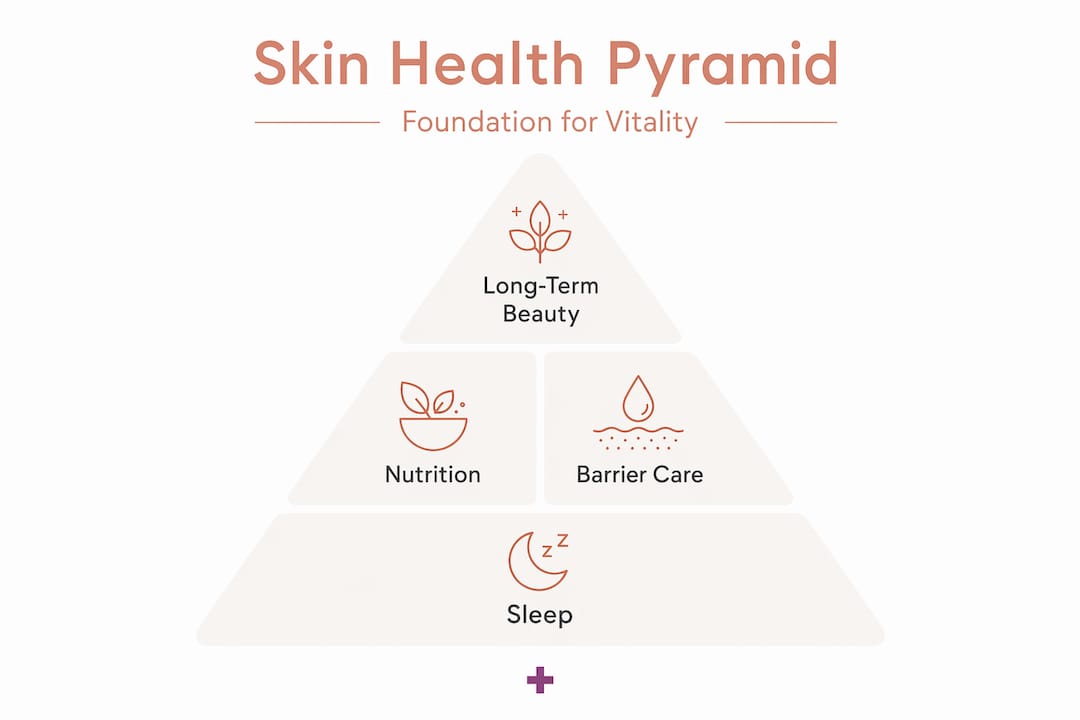
Seven to nine hours of quality sleep per night is the single most underrated skin health tool available. During deep sleep, the body releases growth hormone, which drives cell repair, collagen production, and barrier restoration. No serum compensates for chronic sleep deprivation.

Build an anti-inflammatory diet
What you eat shapes your skin from the inside out. Omega-3 fatty acids decrease inflammatory compounds in the body, while probiotics improve skin sensitivity and healing. Focus on:
Fatty fish, flaxseeds, and walnuts for omega-3s
Colorful vegetables and berries for antioxidants
Fermented foods like yogurt and kimchi for probiotic support
Adequate hydration to maintain barrier moisture
Choose a gentle, consistent skincare routine
Modern dermatology shifts away from aggressive treatments toward fortifying the skin barrier and microbiome for lasting results. A morning skin care routine built around a gentle cleanser, hydrating toner, and broad-spectrum SPF covers the essentials without disrupting the barrier. Fewer products, used consistently, outperform a complicated rotation changed frequently.
Pro Tip: If you use an exfoliant, limit it to two or three times per week. More frequent use strips the barrier and increases sensitivity rather than improving skin texture.
Here is a straightforward comparison of approaches:
ApproachEffect on skin barrierLong-term outcomeGentle, consistent routineMaintains and strengthens barrierImproved hydration, less reactivityAggressive exfoliationStrips barrier cellsIncreased sensitivity and inflammationFrequent product switchingDisrupts microbiome balanceWorsening skin toleranceSleep-focused lifestyleAccelerates nightly repairFirmer, more even skin tone
Consider supplements carefully
Collagen supplementation over 8 to 24 weeks improves skin elasticity, hydration, and wound healing with solid clinical evidence. However, the supplement market lacks strict regulation, so quality control matters. Look for third-party tested products with transparent ingredient sourcing.
How skin health connects to long-term beauty and well-being
This is where the idea of skin care routine benefits takes on real weight. When skin functions correctly, the visible results follow naturally. Firmness comes from collagen and structural support that well-nourished skin produces on its own. Radiance comes from healthy cell turnover and adequate hydration. A calm, even tone comes from a controlled inflammatory response.
The benefits of healthy skin extend beyond the mirror:
Confidence. Clear, comfortable skin reduces self-consciousness and the mental load that comes with managing chronic skin concerns.
Early health detection. Because skin is a visible indicator of internal health linked to the nervous, immune, and cardiovascular systems, paying attention to changes gives you advance notice of shifts that deserve medical attention.
Reduced aging rate. Skin that maintains barrier function ages visibly slower than skin that is repeatedly damaged and repaired.
Systemic resilience. A healthy skin microbiome contributes to immune regulation across the whole body, not just locally.
Why maintain skin health comes down to this: sustainable beauty and genuine well-being are products of the same thing. A body that functions well shows it. Skin that is cared for at the functional level, through sleep, nutrition, and a kind routine, delivers results that no topical product alone can replicate. That is the real argument for treating skin health as a long-term investment rather than a cosmetic concern.
The shift from ageless beauty in the modern era thinking to functional skin care is gaining traction for a reason. People are seeing better, more lasting results when they address root causes rather than surface symptoms.
My perspective on skin health as a foundation
I have watched people spend significant money on corrective treatments while continuing the habits that created the problem in the first place. Disrupted sleep, a diet high in inflammatory foods, and a skincare routine packed with active ingredients used too often. The skin gets worse, not better, and the response is usually to add more products.
In my experience, the most transformative shift is learning to read your skin rather than control it. When your skin becomes suddenly reactive, that is information. When it looks dull despite a solid routine, that is information. Most of the time, the answer is less intervention, not more.
I have also seen how quickly skin responds when the basics are addressed. Better sleep for two weeks produces visible changes. Reducing inflammatory foods does the same. The skin reflects internal balance with surprising speed.
The people who get the most lasting results are not the ones with the most products. They are the ones who treat skin health as part of their overall health practice, connected to how they eat, sleep, and manage stress. That framing changes everything.
For those curious about building a routine that works with the skin rather than against it, calm and balanced skin is genuinely achievable. It just starts with understanding the basics.
— Kelly
Start with the right foundation

Yukaface builds every product around the same principle this article covers: support the skin’s natural function rather than override it. The full vegan skincare guide covers how natural, botanically-sourced ingredients work with your barrier and microbiome rather than stripping them. For daily structure, the morning skin care routine resource outlines a simple, gentle sequence that fits any skin type. No aggressive actives. No complex layering. Just consistent, mindful care built on the same science behind every point in this article. Explore both resources as a starting point for building a routine that supports long-term skin health.
FAQ
Why is skin health important beyond appearance?
Skin regulates body temperature, blocks pathogens, synthesizes vitamin D, and signals internal health changes. It is a functional organ, not just a surface.
What are the biggest threats to skin barrier health?
Over-exfoliation, harsh cleansers, poor sleep, and chronic inflammation all damage the skin barrier, increasing sensitivity and infection risk.
How does diet affect skin health?
Omega-3 fatty acids reduce inflammatory compounds and probiotics improve skin healing. An anti-inflammatory diet directly supports barrier strength and skin clarity.
Can skin conditions signal deeper health issues?
Yes. Metabolic and hormonal imbalances often appear as skin changes first. Sudden shifts in skin behavior, like new reactivity or slow healing, can reflect internal changes worth investigating.
How long does it take to see results from improving skin health habits?
Sleep and dietary changes can produce visible skin improvements within two to four weeks. Collagen supplementation shows measurable results over eight to twenty-four weeks with consistent use.