
How to Maintain a Healthy Skin Barrier
How to Maintain a Healthy Skin Barrier
TL;DR:
- A healthy skin barrier consists of a lipid matrix that locks in moisture and blocks irritants. Proper care involves gentle cleansing, moisturizing with ceramides, using SPF, and avoiding harsh ingredients and over-exfoliation. Consistency and patience are essential for repairing and maintaining the skin’s resilience.
The skin barrier is the outermost layer of your skin, known clinically as the stratum corneum. It is a lipid matrix made of ceramides, cholesterol, and free fatty acids that keeps moisture locked in and environmental irritants out. When this structure is intact, skin stays comfortable, calm, and resilient. When it breaks down, you get dryness, redness, and sensitivity that no serum can fix. Knowing how to maintain a healthy skin barrier starts with understanding what this layer does and what it needs to function properly.
How to maintain a healthy skin barrier: what you need to know first
The stratum corneum works like a physical seal. It prevents transepidermal water loss and blocks bacteria, allergens, and pollutants from entering deeper skin layers. Ceramides make up roughly half of this lipid matrix, with cholesterol and free fatty acids filling the rest. All three components must be present in the right balance for the barrier to function correctly.
The skin barrier also works alongside the skin microbiome. Barrier and microbiome health are directly linked. Damage to one weakens the other, which is why harsh products that strip the barrier also disrupt the microbial balance on your skin’s surface. Gentle, fragrance-free products and consistent sun protection preserve both.
A healthy barrier does not require a complex routine. It requires the right inputs: correct lipids, adequate hydration, UV protection, and an absence of damaging habits.
What are the signs of a healthy vs. damaged skin barrier?
Healthy skin feels comfortable throughout the day. It holds moisture without feeling greasy, tolerates most products without reacting, and shows no persistent redness or flaking. These are the signs of a healthy skin barrier: even texture, minimal sensitivity, and a natural glow that does not require layering on products.
A compromised barrier looks and feels different. Common signs of damage include:
- Persistent tightness or dryness, even after moisturizing
- Redness, stinging, or burning when applying products
- Flaking, peeling, or rough patches
- Sudden sensitivity to products you previously tolerated
- Breakouts that appear alongside dry, irritated skin
The most common causes of barrier damage are over-exfoliation, harsh cleansers, hot water, and overloading skin with active ingredients. Environmental stressors like UV exposure, cold weather, and low humidity also degrade the lipid matrix over time. Understanding what damages the skin barrier is the first step toward preventing it.
Essential skincare practices to repair and protect the barrier
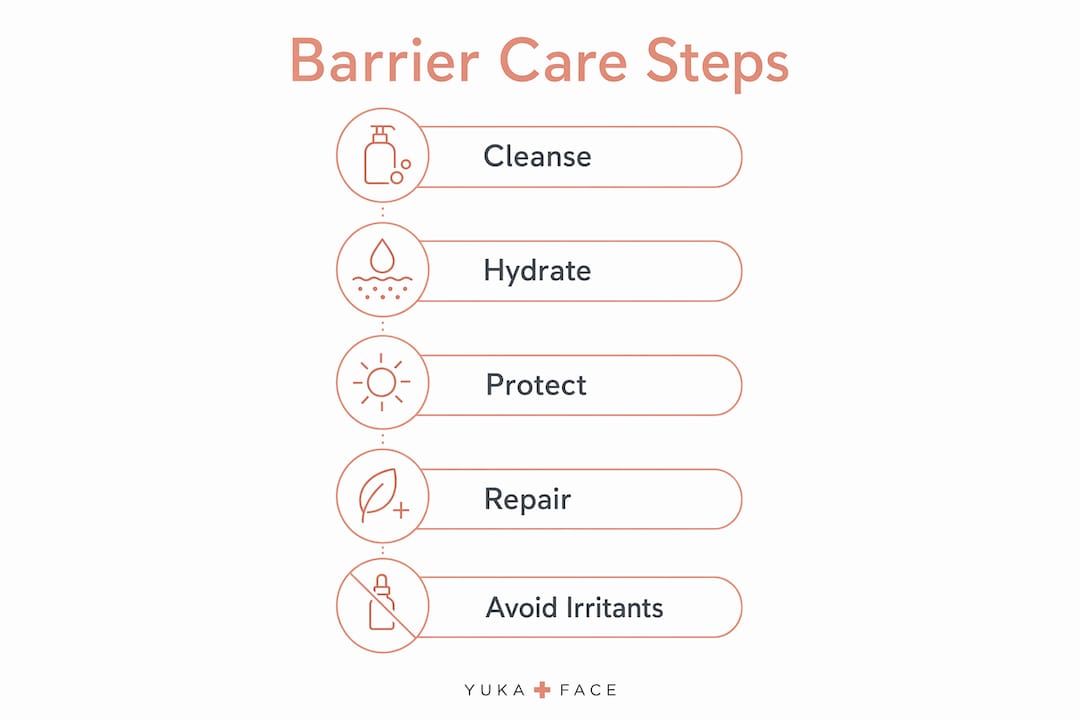
A barrier-supportive routine does not need to be long. It needs to be consistent and built around a few non-negotiable steps.
-
Cleanse gently, once or twice daily. Use a pH-balanced, sulfate-free, fragrance-free cleanser. Sulfates strip the natural oils that hold the lipid matrix together. Wash with lukewarm water only. Hot water and abrasive scrubs increase transepidermal water loss and cause micro-tears in the skin surface.
-
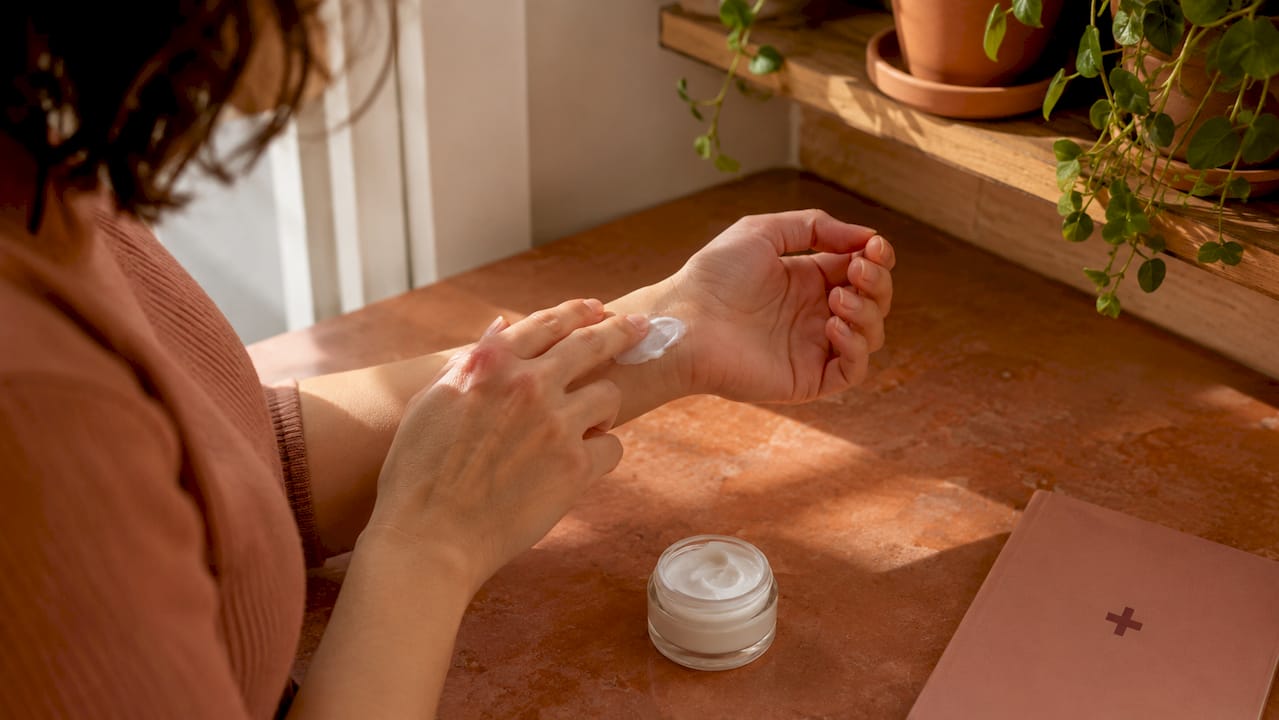
Moisturize immediately after cleansing. Apply your moisturizer within three minutes of washing. Applying moisturizer to damp skin locks in residual water and significantly improves hydration levels. Look for a formula that contains ceramides, cholesterol, and free fatty acids in a 3:1:1 lipid ratio. This ratio mirrors the natural composition of the stratum corneum and supports proper barrier repair.
-
Use occlusives selectively. Petrolatum and similar occlusive agents seal moisture into the skin effectively. However, slugging with petrolatum works best on dry or irritated patches, not across the entire face. On acne-prone skin, overuse can trap bacteria and worsen breakouts.
-
Apply broad-spectrum SPF 30+ every morning. UV exposure degrades collagen and disrupts the skin microbiome, accelerating barrier breakdown. Daily sunscreen is not optional for barrier health. It is the single most protective step you can take.
-
Pause active ingredients during repair. Retinoids, AHAs, BHAs, vitamin C, and benzoyl peroxide all increase cell turnover or exfoliate. When the barrier is compromised, these ingredients worsen inflammation. Mild barrier damage heals within 2–4 weeks when you give skin total rest from actives.
Pro Tip: If your skin stings when you apply your regular moisturizer, that is a clear signal the barrier is compromised. Switch to a plain ceramide cream with no added fragrance or active ingredients until the stinging stops.
What ingredients actually support skin barrier health?
Ingredient selection is where most people either protect or accidentally damage their barrier. The right ingredients reinforce the lipid matrix. The wrong ones strip it.
Ingredients to prioritize
- Ceramides: The most direct barrier-supporting ingredient. They replenish the lipids lost through cleansing, exfoliation, and environmental exposure. Look for ceramide NP, AP, or EOP on ingredient labels.
- Cholesterol and free fatty acids: Work alongside ceramides to restore the lipid matrix structure. Products that list all three are more effective than ceramide-only formulas.
- Hyaluronic acid and glycerin: Humectants that draw water into the skin. They support hydration but need a moisturizer on top to prevent water from evaporating.
- Niacinamide: Supports ceramide production and reduces redness. Well-tolerated by most skin types, including sensitive skin.
- Panthenol (vitamin B5): Soothes and hydrates. A reliable ingredient for compromised or reactive skin.
Ingredients to avoid
| Ingredient type | Why it harms the barrier |
|---|---|
| Sulfates (SLS, SLES) | Strip natural oils and disrupt the lipid matrix |
| Synthetic fragrance | A leading cause of contact dermatitis and sensitivity |
| Essential oils | Contain volatile compounds that irritate compromised skin |
| High-concentration acids | Over-exfoliate and thin the barrier when overused |
| Alcohol denat. | Dries and disrupts the skin surface |
Pro Tip: Fragrance is the most common hidden irritant in skincare. Even products labeled “natural” can contain essential oils that trigger reactions in sensitive or damaged skin. Check the full ingredient list, not just the front label.
For a deeper look at which ingredients repair and strengthen the barrier, the Yukaface ingredient guide covers the most effective options backed by botanical research.
Common mistakes that damage the skin barrier
Most barrier problems are self-inflicted. The habits below are the most frequent causes of barrier breakdown, and the easiest to correct.
- Over-exfoliating. Using AHAs, BHAs, or physical scrubs more than two to three times per week removes too much of the lipid layer. Many people exfoliate daily without realizing it is the source of their sensitivity.
- Switching products too often. Skin needs at least four to six weeks to respond to a new product. Constant switching prevents any routine from working and keeps the barrier in a state of stress.
- Skipping or under-applying SPF. A thin layer of sunscreen does not provide the labeled protection. Apply generously and reapply every two hours in direct sun.
- Using too many actives at once. Layering retinol, vitamin C, and an acid in the same routine creates compounding irritation. Each active adds stress to the barrier.
- Ignoring early warning signs. Tightness and mild stinging are early signals. Continuing an aggressive routine past these signals leads to visible damage that takes weeks to resolve.
“Achieving a healthy skin barrier is about balance and consistency rather than aggressive treatments.” — U.S. Dermatology Partners
When reintroducing actives after a repair period, add one ingredient at a time. Wait two weeks before adding the next. This approach lets you identify what your skin tolerates and what it does not. For people with sensitive skin, a sensitive skin checklist can help structure a safe reintroduction plan.
Simplifying your routine and avoiding harsh actives leads to faster, more effective barrier healing. More products do not mean better results. A cleanser, a ceramide moisturizer, and an SPF are enough to maintain and repair a compromised barrier.
Key Takeaways
A healthy skin barrier depends on consistent, gentle care built around the right lipids, adequate hydration, and daily UV protection.
| Point | Details |
|---|---|
| Use the correct lipid ratio | Choose moisturizers with ceramides, cholesterol, and fatty acids in a 3:1:1 ratio to mirror the stratum corneum. |
| Moisturize within 3 minutes | Apply moisturizer to damp skin immediately after cleansing to lock in hydration effectively. |
| Pause actives during repair | Stop retinoids, AHAs, BHAs, and vitamin C for 2–4 weeks to allow the barrier to heal naturally. |
| Wear SPF 30+ daily | UV exposure breaks down the lipid matrix and disrupts the microbiome. Sunscreen prevents both. |
| Simplify before you add | A three-step routine outperforms a ten-step routine when the barrier is compromised or reactive. |
What I have learned from years of watching skin barrier advice evolve
The most common mistake I see is people treating a damaged barrier like a problem that needs more products. The instinct is understandable. Skin looks bad, so you reach for more. But more actives worsen inflammation and delay recovery. The skin barrier heals through rest, not intervention.
What actually works is boring by skincare standards: a gentle cleanser, a ceramide moisturizer, and SPF. That is the routine. Not a ten-step protocol with three serums and a weekly peel. The people I have seen achieve the most consistent skin health are the ones who stopped chasing results and started maintaining a simple baseline.
Patience is the hardest part. A compromised barrier takes weeks to recover, not days. Expecting visible improvement in 48 hours leads to abandoning a routine that was actually working. Commit to a simplified routine for a full month before drawing any conclusions.
Listening to your skin is a real skill. Stinging, tightness, and sudden breakouts are communication. They tell you something in your routine is not working. Most people override these signals and push through. The better response is to pull back, simplify, and give the barrier what it actually needs: time and the right lipids.
— Kelly
Yukaface products for barrier-supportive skincare
Yukaface formulates every product with vegan, natural ingredients chosen to support rather than stress the skin barrier.

The Yukaface morning routine guide walks through a barrier-supportive sequence built around gentle cleansing, ceramide-rich hydration, and SPF. For those focused on restoring moisture and resilience, the hydration and restoration guide covers the full range of barrier-supporting products. Yukaface cleansers are sulfate-free and fragrance-free. Every formula is vegan and designed for all skin types, including sensitive and compromised skin. The product range aligns directly with the evidence-based practices covered here.
FAQ
What is the skin barrier made of?
The skin barrier is the outermost layer of skin, called the stratum corneum. It is composed of ceramides, cholesterol, and free fatty acids arranged in a lipid matrix that retains moisture and blocks irritants.
How long does it take to repair a damaged skin barrier?
Mild skin barrier damage heals within 2–4 weeks when you pause active ingredients and follow a gentle, consistent routine. Severe damage may take longer depending on the cause and skin type.
What are the best ingredients for skin barrier health?
Ceramides, cholesterol, free fatty acids, niacinamide, panthenol, hyaluronic acid, and glycerin are the most effective barrier-supporting ingredients. Avoid sulfates, synthetic fragrance, and high-concentration acids during repair.
Can you over-moisturize the skin barrier?
Over-moisturizing is rarely the problem. The more common issue is using moisturizers with irritating ingredients or skipping the application window. Apply within three minutes of cleansing for best results.
Does SPF protect the skin barrier?
Daily broad-spectrum SPF 30+ protects the barrier by preventing UV-induced oxidative stress that degrades collagen and disrupts the skin microbiome. It is one of the most protective steps in any skin barrier care routine.