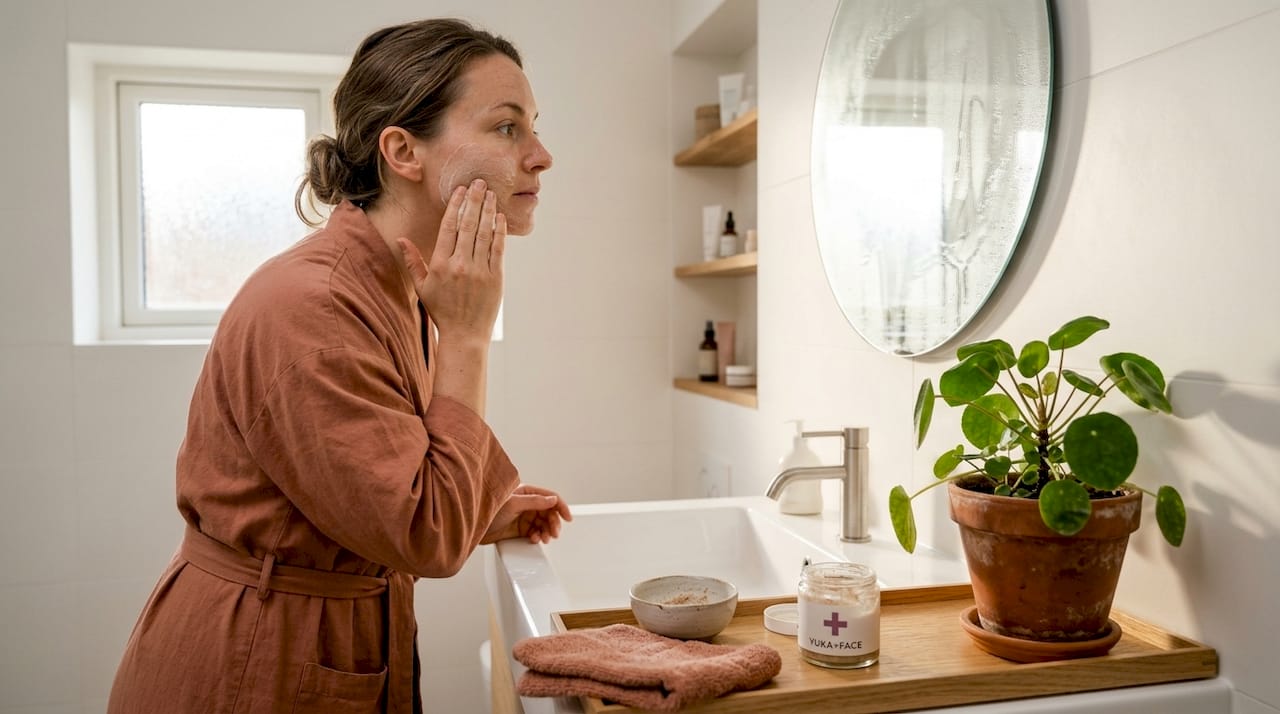
Natural exfoliation: reveal radiant skin naturally
TL;DR:
Natural exfoliation supports the skin’s natural shedding process using gentle botanical ingredients, avoiding damage caused by harsh scrubs. It improves skin texture, radiance, and product absorption while reducing pore visibility, especially beneficial for sensitive or reactive skin. Exfoliation should be done 1-3 times weekly, tailored to skin type, with enzymatic methods preferred for thinning skin to prevent barrier damage.
Most people assume exfoliation means scrubbing hard with gritty formulas to force a glow. That assumption leads to damaged skin barriers, irritation, and long-term sensitivity. Natural exfoliation is the process of removing dead skin cells from the outer layer using natural ingredients and methods, working with the skin’s own renewal cycle rather than against it. This guide covers everything you need to know: what natural exfoliation really is, which methods work best, how often to use them, and how to avoid the most common mistakes.
Table of Contents
What is natural exfoliation and why does it matter?
Natural exfoliation works by supporting the skin’s built-in desquamation process. Desquamation is the technical term for the skin’s natural shedding cycle, where dead cells on the outermost layer break down and fall away roughly every 28 to 40 days. That cycle slows with age, stress, and environmental exposure. When dead cells accumulate, the result is dullness, uneven texture, and reduced absorption of any skincare you apply.
“Natural exfoliation supports the skin’s natural desquamation process to reveal smoother, brighter skin — without synthetic abrasives or chemical strippers.”
Natural exfoliation differs from synthetic approaches in a specific way. Synthetic exfoliants often rely on manufactured acids, microplastics, or lab-created enzymes at concentrated levels. Natural methods draw from botanical sources: fruit acids, plant enzymes, oat bran, sugar cane, and similar ingredients that work gently and biodegradably. This aligns directly with a vegan skincare guide philosophy that prioritizes both skin health and environmental impact.
Key benefits of natural exfoliation:
Improved skin texture. Regular, gentle removal of dead cells leaves the surface noticeably smoother.
Increased radiance. Fresh skin cells reflect light more evenly, giving a visible glow.
Better product absorption. Removing the dead cell barrier allows serums, oils, and moisturizers to penetrate more effectively.
Reduced appearance of pores. Clear pore openings look smaller and less congested.
Support for an even skin tone. Consistent exfoliation helps fade surface-level discoloration over time.
Who benefits most? Anyone noticing dullness, rough patches, uneven skin tone, or products that seem to sit on top of the skin rather than absorb. The unbothered skin philosophy also recognizes that sometimes doing less is doing more. Natural exfoliation fits that mindset perfectly.
Types of natural exfoliation: physical vs. enzymatic methods
Understanding the underlying principles, let’s examine the main types of natural exfoliation and how they suit different skin needs.
There are two primary approaches: physical and enzymatic. Both are effective. Both have tradeoffs. The right choice depends on your skin type, sensitivity level, and specific goals.
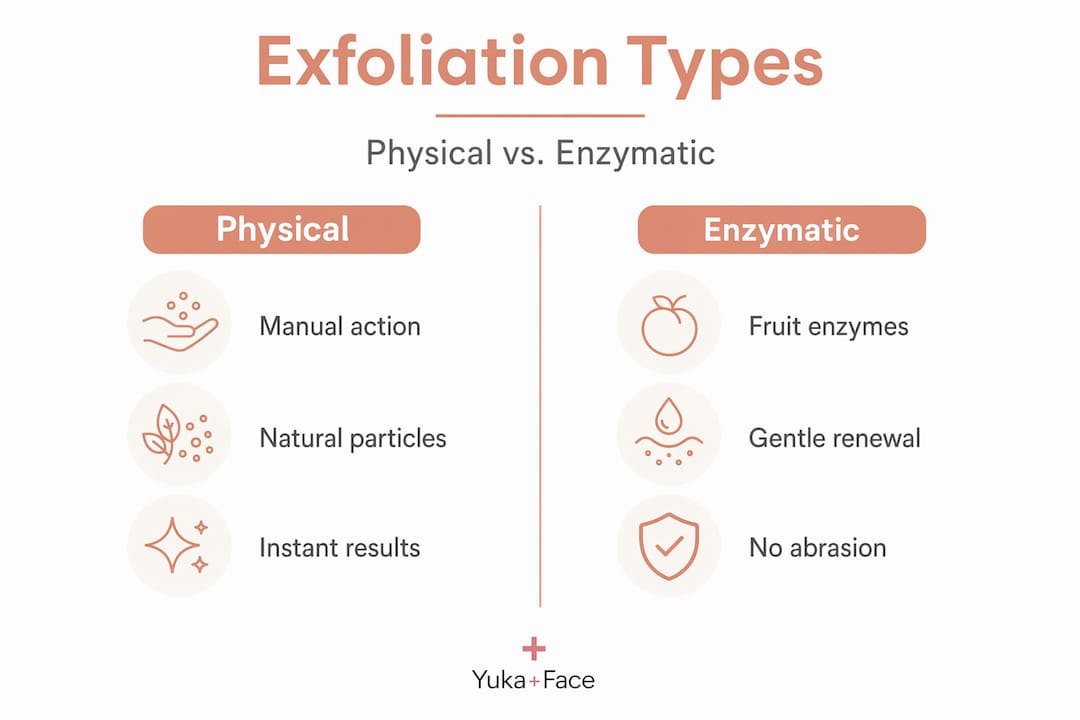
Physical natural exfoliation uses particles or texture to manually sweep away dead cells. Common natural physical exfoliants include:
Finely milled oatmeal
Sugar crystals (fine or raw cane sugar)
Ground rice bran
Fruit seed powders (like raspberry or cranberry seed)
Jojoba beads (naturally derived, not microplastic)
Physical exfoliants provide immediate smoothness but risk micro-tears if particles are too sharp or coarse. That risk is why grain size matters. Avoid walnut shell powder or apricot kernel scrubs with jagged edges; they can create microscopic cuts that lead to irritation and long-term sensitivity.
Enzymatic natural exfoliation uses plant-based enzymes to dissolve the protein bonds holding dead cells to the skin. No scrubbing involved. Key natural enzyme sources include:
Papain from papaya
Bromelain from pineapple
Pumpkin enzymes
Fig enzymes
Enzymatic exfoliation is often preferred by dermatologists and holistic skincare specialists for deeper renewal without abrasion. It is generally better suited for sensitive, reactive, or thin skin types. Polyherbal face scrubs enriched with botanical ingredients combine both benefits in research-backed formulations.
FeaturePhysical (natural)Enzymatic (natural)MechanismManual removal via particlesDissolves dead cell bondsSpeed of resultsImmediate smoothnessGradual, deeper renewalRisk levelHigher if particles are coarseLower, minimal abrasionBest forNormal to oily skinSensitive, reactive, mature skinExamplesSugar, oatmeal, rice branPapaya, pineapple, pumpkinFrequency1 to 2 times per week maxUp to daily if very gentle
Pro Tip: When choosing a physical exfoliant, look for products with fine, rounded particles rather than ground nut shells or irregular seed powders. The rounder and finer the particle, the lower the risk of micro-abrasion damage.
Knowing which type suits your skin is essential before building your morning skincare routine. A simple rule: start with enzymatic, especially if you are new to exfoliation or have sensitive skin. Physical exfoliation can be added gradually once you know how your skin responds.
How often should you exfoliate naturally?
Once you know your preferred method, the next step is finding a rhythm that brings out your best glow without overdoing it.
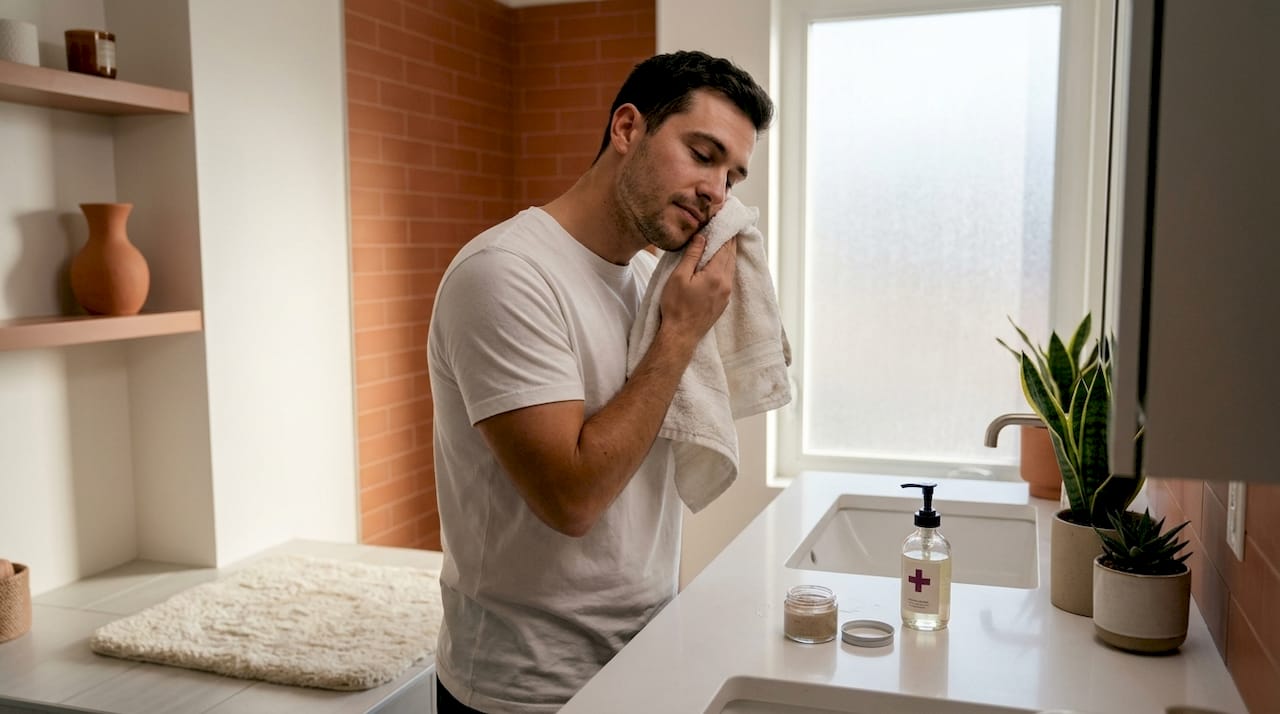
Exfoliating 1 to 3 times per week suits most skin types. Daily use is only appropriate for very gentle enzymatic formulas specifically designed for frequent application. Going beyond what your skin can handle is one of the most common mistakes in any skincare routine.
Frequency guide by skin type:
Skin typeRecommended frequencyMethod preferenceNormal2 to 3 times per weekPhysical or enzymaticOily or congested2 to 3 times per weekPhysical (fine particles) or enzymaticDry or dehydrated1 to 2 times per weekEnzymatic preferredSensitive or reactiveOnce per week or lessEnzymatic onlyAcne-prone1 to 2 times per weekEnzymatic onlyDarker skin tones1 to 2 times per weekGentle enzymatic to avoid post-inflammatory hyperpigmentationMature skin1 to 2 times per weekEnzymatic preferred
For sensitive, dry, acne-prone, or darker skin tones, ultra-gentle exfoliation using oatmeal or enzyme-based products reduces the risk of irritation, barrier damage, and hyperpigmentation. Less is genuinely more in these cases.
How to safely integrate natural exfoliation into your routine:
Start with clean skin. Always cleanse first to remove surface dirt and oil before exfoliating.
Apply to damp skin. Damp skin allows gentle exfoliants to glide more evenly and reduces friction.
Use light, circular motions. No pressing hard. Let the ingredient do the work.
Rinse thoroughly. Residual exfoliant left on the skin can cause irritation, especially with enzyme formulas.
Follow with hydration immediately. Freshly exfoliated skin absorbs moisturizer and serums more readily.
Apply SPF in the morning. Exfoliated skin is temporarily more photosensitive. Sun protection is non-negotiable.
If you are targeting visible pore appearance, consistent exfoliation combined with the right follow-up care can reduce visible pores over time by keeping them clear and unblocked.
Pro Tip: Your skin will tell you if you are exfoliating too often. Tightness, shininess without moisture, stinging after applying products, or new sensitivity are all early signals. Pause and focus on barrier recovery before resuming.
Risks of over-exfoliation and best practices for safety
Guidelines are vital, but knowing the risks ensures you embrace natural exfoliation safely and get the holistic glow you want.
Natural exfoliation is gentler than most synthetic alternatives. But “natural” does not mean risk-free. Over-exfoliation is a real and very common problem, and it sets back skin health faster than most people expect.
“Over-exfoliation can cause redness, dryness, inflammation, increased sensitivity, breakouts, and even accelerated visible aging. Herbal and natural formulations show good tolerability in assessments, but frequency still matters.” — Dermatologist guide on exfoliation
Signs you have over-exfoliated:
Persistent redness or a raw-feeling surface
Skin that feels tight immediately after cleansing
New breakouts appearing in unusual patterns
Products sting or burn where they did not before
Increased oiliness as the skin compensates for barrier damage
A shiny, almost waxy appearance without actual moisture
Over-exfoliation compromises the skin barrier. The barrier is the outermost protective layer that keeps moisture in and irritants out. When it is damaged, all skincare becomes less effective and the skin becomes reactive to things it previously tolerated.
For a look at how to improve skin texture solutions safely, building barrier health should come before intensifying exfoliation frequency.
Best safety practices:
Patch test first. Apply a small amount of any new exfoliant on the inner arm or jaw area and wait 24 hours before full-face use.
Never layer exfoliants. Avoid combining a physical scrub with an enzymatic product in the same routine.
Avoid broken or irritated skin. Do not exfoliate over active breakouts, wounds, or sunburned areas.
Always follow with a moisturizer. Barrier-supporting ingredients like ceramides, squalane, or plant oils are ideal post-exfoliation.
Use SPF every morning after exfoliating. New skin cells are more vulnerable to UV damage.
Take breaks. If your skin is reacting, stop exfoliating entirely for one to two weeks. Let the barrier recover.
Do not exfoliate every day unless your product is specifically formulated for it.
The goal of natural exfoliation is radiance and renewal, not speed. Slowing down and respecting the skin’s pace consistently produces better long-term results.
What most articles get wrong about exfoliation
Most exfoliation guides focus entirely on technique and product selection. That is useful. But there is a larger issue almost no one addresses directly: exfoliation has been over-marketed as a mandatory step, when in reality, healthy skin handles a significant portion of its own renewal without any intervention.
The skin naturally desquamates. When the barrier is healthy, well-hydrated, and supported by nutrition and gentle cleansing, exfoliation may not be necessary at all. Many people experience their best skin not when they exfoliate more aggressively, but when they stop over-exfoliating and invest in hydration and restoration instead.
This is the uncomfortable reality: the skincare industry benefits from recommending more steps. Exfoliation is frequently added to routines not because skin needs it, but because it has been marketed as a universal improvement. For a meaningful number of people, especially those with dry, sensitive, or barrier-compromised skin, removing exfoliation temporarily and focusing on hydration produces faster and more visible improvements.
The more useful question is not “how often should I exfoliate?” It is “does my skin actually show signs of needing exfoliation right now?” Dullness, visible congestion, rough texture, and poor product absorption are real signals. Exfoliating on a fixed schedule regardless of what the skin is doing is reactive skincare, not intentional skincare.
Healthy skin with a strong barrier does not need mechanical or enzymatic intervention to glow. It glows because it is supported from within by hydration, appropriate nutrition, rest, and the right protective ingredients. Exfoliation is a useful tool. It is not a daily requirement.
If you are unsure where to start, try pulling exfoliation out of your routine for two weeks. Focus entirely on gentle cleansing, barrier-supportive moisturizers, and consistent hydration. Then assess whether your skin actually needs the added step. For many people, the answer will surprise them.
Ready for radiant, naturally exfoliated skin?
Natural exfoliation works best as part of a considered, holistic routine. Knowing the method, frequency, and follow-up care makes the difference between glowing, healthy skin and an irritated barrier that takes weeks to recover.

Yuka+Face supports every step of that process. Explore the morning routine guide to build a complete, natural skincare sequence around gentle exfoliation. The vegan skincare guide covers clean, botanical ingredient options that complement any exfoliation method. For skin that needs recovery or extra care, the hydration essentials resource provides practical guidance on restoring and protecting the skin barrier after exfoliation. All Yuka+Face products are 100% natural, vegan, and designed to support skin at every age.
Frequently asked questions
Can I use natural exfoliation daily?
Only very gentle enzymatic exfoliants designed for frequent use are appropriate for daily application; for all other methods, 1 to 3 times per week is the safe range for most skin types.
Which is better for sensitive skin: physical or enzymatic exfoliation?
Enzymatic exfoliation is generally the safer choice for sensitive skin because it works without friction or abrasion. Ultra-gentle options like oat-based or enzyme formulas reduce the risk of irritation and barrier damage compared to physical scrubs.
What are signs of over-exfoliation?
Redness, burning on product application, new breakouts, unusual tightness, or a shiny surface without moisture are all common over-exfoliation signals. Stop exfoliating and focus on barrier recovery if these appear.
Does everyone need to exfoliate their skin?
No. Healthy skin naturally renews itself through desquamation, so exfoliation is optional rather than essential. It becomes useful when visible dullness, rough texture, or congestion appear and barrier health is already supported.